


515-4868.jpg)

515-HUNT(4868)%20Louisiana%20Duck%20hunting%20Guides.jpg)
515-HUNT(4868)..jpg)
| 2011-2012 Schedule small Game | $100.00 per Gun per Hunt. | |||
| Species | Season Dates | Daily Bag Limit | Possession Limit | |
| Quail | Nov. 19 - Feb. 29 | 10 | 20 | |
| Rabbit | Oct. 1 - Feb. 29 | 8 | 16 | |
| Squirrel |
Oct. 1 - Feb. 29 | 8 | 16 | |
| May 5-25* | 3 | 6 | ||
| 2012-2013 Schedule | ||||
| Species | Season Dates | Daily Bag Limit | Possession Limit | |
| Quail | Nov. 17 - Feb. 28 | 10 | 20 | |
| Rabbit | Oct. 6 - Feb. 28 | 8 | 16 | |
| Squirrel | Oct. 6 - Feb. 28 | 8 | 16 | |
| May 4-26* | 3 | 6 | ||

Welcome to Guided Ventures Great Outdoors Tours.
Trophy Alligator hunting, Migratory bird hunts / Teal Duck and Goose Guided Hunts, Annual Dove hunts, small game hunt, Big Game hunts, Wild Hog hunting and North America's Monster Whitetail Deer Hunting!
(337)515-HUNT(4868)
Charlie LeDoux
|
|
BOOKING Trophy Deer
Hunts: Hunts are booked on a
"first come-first served" basis with a
maximum of four (4) hunters per hunt. A
$1750.00 deposit must be received before a hunt is
considered to be booked. Hunts run from
October through January in accordance
with established whitetail hunting
seasons as prescribed by the LA Wildlife
& Fisheries Commission per whitetail
deer hunting. See more hunting at
the Bottom of this page!
must be received before a hunt is
considered to be booked. Hunts run from
October through January in accordance
with established whitetail hunting
seasons as prescribed by the LA Wildlife
& Fisheries Commission per whitetail
deer hunting. See more hunting at
the Bottom of this page!
North America's Serious
Trophy whitetail deer hunters
welcome to the best
whitetail deer hunting in
Louisiana. We are offering a
Hunt of a Lifetime for a Super
Monster trophy whitetail buck
on a 400 acre preserve
just a few minutes south of
Shreveport, Louisiana.
Deer hunts run from Friday
afternoon through sunset on
Sunday, offering five (5)
premium early morning trophy
deer hunts and late
afternoon trophy deer hunts.
This is a no-kill, no-pay
operation with the nominal
$150/day, guiding/
trespass fee if no buck deer
is taken. The guiding
/ trespass fee is deductible
from a subsequent deer hunt
trophy fee.
CONVENIENCE: These Trophy Deer hunts are conducted on private property off LA Hwy 5 near Gloster, La, approximately 15 minutes drive south from Shreveport, La. The operation is equipped with a 3 bed room, 2 bath camp with all amenities, including central heat & air, washer & dryer also DirecTV in each room, allowing our hunters to either spend the weekend on the property or commute to/ from Shreveport as desired. No meals or meal preparation are provided, however full cooking facilities, including range, oven, refrigerator, charbroil grill and outside deep fryer are provided. There is also a 24/7 restaurant and convenience store just 4 miles away. Our property offers a modern, walk-in meat cooler and limited meat processing facilities. Hunters should arrive prepared to de-bone carcasses and transport their meat with them upon departure. Our staff will be pleased to assist in field dressing, skinning and butchering of your trophy deer at no additional charge.
THE HUNT: Hunters will be placed in comfortable deer hunting stands with chairs overlooking well-used game trails and /or food plots. Hunters may pass on or select any trophy deer they desire. Any wounded animal will be considered to be "dead" and the hunter will be assessed an appropriate trophy fee, however, every effort will be made to recover any and all wounded animals. Stands are designed primarily for long gun hunters, however, archery stands are available upon request.
OPPORTUNITY/PRICING: The property offers four (9) classifications of trophy bucks at four (9) corresponding prices. The property features bucks with tremendous mass, spread and/or tine length and some with kickers and stickers.
All Shooter Bucks with nine (9) or fewer points may be taken for $3,500.00
All Shooter Bucks with ten (10) or more points scoring up to 169 gross B&C points are priced at $4,500.00
All Shooter Bucks scoring 170-184 gross B&C points or more are priced at $5,500.00
All Shooter Bucks scoring 185-199 gross B&C points are priced at $6,500.00
All Super Bucks scoring 200-219 gross B&C points are priced at $12,500.00
All Monster Bucks scoring 220-239 gross B&C points are priced $15,500.00
All
Super Monster Bucks scoring 240-259 gross B&C points are priced at $17,500.00All Lifetime Monster Bucks scoring 260-279 gross B&C points are priced at $19,500.00
All Lifetime Super Monster Bucks scoring 280-higher gross B&C points are priced at $21,500.00
All measuring shall be with official tapes/cables and performed by a Certified Measurer for B&C, P&Y and Certified Master Measurer for SCI. A completed score sheet shall be provided for each trophy buck deer measured.
PROVIDED: Comfortable camp w/all amenities, self-service laundry, deer stands, all transportation aboard the property, guiding, pond fishing, assistance in field dressing, skinning and processing of trophy, temporary storage of meat.
NOT PROVIDED: Food, meal preparation, alcoholic beverages & soft drinks, firearms, ammunition, hunting/ fishing licenses, hunting/ fishing gear & equipment and transportation outside the hunting property.
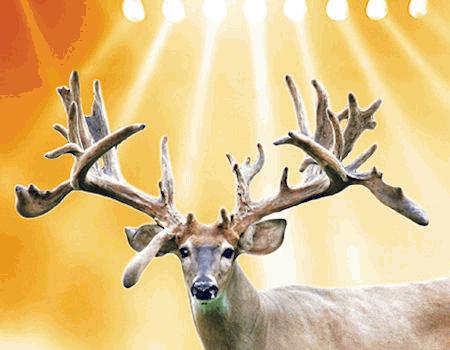 BOOKING
Trophy Deer Hunts: Hunts
are booked on a "first come-first
served" basis with a maximum of four (4)
hunters per hunt. A $1750.00 deposit
must be received before a hunt is
considered to be booked. Hunts run from
October through January in accordance
with established whitetail hunting
seasons as prescribed by the LA Wildlife
& Fisheries Commission per whitetail
deer hunting in Area-2. All hunters must
be properly licensed and wear an
approved "hunter orange" vest while in
possession of a loaded firearm. Hunters
may arrive any time after 12:00 PM
(noon) on Friday and should depart by
approximately 7:00 PM on Sunday evening.
Airport pickup and return per the
Shreveport Regional Airport is available
upon request at an additional round-trip
fee of $150. If you are departing by
air, ensure that your airline allows
firearms, antlers and frozen game meat
as excess baggage. Some carriers now
prohibit firearms/antlers/wild game meat
aboard their aircraft. We accepts
certified funds, traveler’s checks and/
or cash.
BOOKING
Trophy Deer Hunts: Hunts
are booked on a "first come-first
served" basis with a maximum of four (4)
hunters per hunt. A $1750.00 deposit
must be received before a hunt is
considered to be booked. Hunts run from
October through January in accordance
with established whitetail hunting
seasons as prescribed by the LA Wildlife
& Fisheries Commission per whitetail
deer hunting in Area-2. All hunters must
be properly licensed and wear an
approved "hunter orange" vest while in
possession of a loaded firearm. Hunters
may arrive any time after 12:00 PM
(noon) on Friday and should depart by
approximately 7:00 PM on Sunday evening.
Airport pickup and return per the
Shreveport Regional Airport is available
upon request at an additional round-trip
fee of $150. If you are departing by
air, ensure that your airline allows
firearms, antlers and frozen game meat
as excess baggage. Some carriers now
prohibit firearms/antlers/wild game meat
aboard their aircraft. We accepts
certified funds, traveler’s checks and/
or cash.
Call Charlie LeDoux
(337)
515-4868
or
E-Mail
CTheDoux
...
www.MonsterGenetics.com
let's Doux
It!
American Alligator (Alligator mississippiensis) The American alligator is a member of the crocodile family. It can be differentiated from a crocodile by its wider snout and its bottom teeth which do not show when its jaw is closed. Alligators are found throughout the Southeast in wetlands from the Carolinas to Texas and as far north as Arkansas. They consume fish, turtles and snails as well as small animals that come to the water's edge to drink. Young alligators feed primarily on insects, crustaceans, snails, and fish. Alligators benefit the marsh ecosystem by digging holes that hold fresh water during the dry season for fish, insects, crustaceans, snakes, turtles, birds and other animals. Older males may live 30 years or more and reach lengths of 14 feet, and weights of 1,000 pounds. Thirty years ago alligators were depleted from many parts of their range by market hunting and loss of habitat. Many people believed this reptile could never recover. In 1967, this species was listed as an endangered species which prohibited alligator hunting. Their numbers were monitored and by 1987 the American alligator was considered fully recovered and was subsequently removed from the Endangered Species List. However, trade in alligator skins or derived products is still regulated since some related species -- such as crocodiles and caimans -- are still in trouble.
Louisiana Alligator Hunting Season one month only, September Usual Dates: August 29 - September 30
CLICK HERE for more information on Louisiana hunting dates, license and hunter training regulations.
|
Hunt Here or Wish You Had! Call Louisiana Sportsman Charlie LeDoux (337)515-HUNT(4868) or E-Mail View Larger Map of Bayou Lacassine Outfitters!
Guided Ventures Trophy Boar Hog Wild hunts with dogs $750.00!
(337)515 -HUNT
(4868)
with me
Charlie LeDoux
2009 / 2010
Hunting Season! Southwest Louisiana Duck and Goose Hunt Corporate Hunting Package, blinds for ducks and geese, mallards, pintail, teal, widgeon and speckle-belly and snow geese too, each blind will hold three customers or two customers and one guide per field blind! Hunt Ducks Opening Weekend Morning Duck Hunt and after duck hunt, Goose hunts. Price with or without Lodge and meals for hunters use of our blinds and awesome ducky area with or without guides! Rock Canyon Ranch Corporate Hunting Package West Texas Corporate Hunt 100G$lam! Fifty animals in twelve days up to ten guest per day. Ten Trophy Axis Bucks + ten Trophy Aoudad Rams + ten Trophy Blackbuck Antelope + ten Trophy Fallow Bucks + ten meat does Hunters choice Axis, Fallow or Blackbuck does, corporate package includes 50 animals, 12 days and 12 nights lodging, meals, transport to and from stands, capping and quartering harvested animals. (sample: eight hunters can hunt each 3 days with a total of 32 deferent hunters over a twelve day session average cost $3125.00 each per hunter.) Located forty only minutes north of Del Rio Texas. Vista Valley Ranch $2,500.00 includes Lodging, meals, one eight point whitetail buck, one cull whitetail buck, one Aoudad and a Turkey. West Texas Ranch, near Del Rio Texas. Book with us for your next corporate outing, In addition to being the perfect corporate trip, our facilities are open year round and are ideal for family reunions, weekend getaways, year round exotic hunts or just spending a relaxing weekend in the country. Our lodges can accommodate up to 10 guests with a minimum of 5 hunters and corporate packages can be customized to suit your company needs. Buck Wild Ranch go Hog Wild in Shelby County Texas and San Augustine County Texas 10,000 acres Trophy wild Boar Hog Hunts $750.00 & non hunters $500.00 with Dogs or without. Three days hunting with lodging, meals, one Trophy Wild Hog, one meat hog, caped, skinned, quartered and placed in your ice chest. Electric and Water Hook ups available also primitive camping areas for those who wish to care for themselves and day hunt /camp for only $100.00 per person per day, hunters and non hunters receive one free hog tag per day. Hunt my stands and take one wild hog of any size no extra charge and the second hog or more .75 cents per lb on hoof you weight on my scale and then you clean or we clean for $50.00 each or $75.00 to cap and clean. Located twenty minutes south of Center Texas Charlie LeDoux's Buck Wild Lodge. NOW BOOKING Whitetail Deer HUNTS for 2010 - 2011 Whitetail Deer Hunting Season! Affordable no-kill, no-pay Whitetail deer hunting operation! Hunt Trophy Whitetail deer near Shreveport Louisiana.We've looked at everyone's prices on the internet and most want even show there prices are they'll say call for prices or market price. No one compares to our fair price on our biggest whitetails to our smallest, see for your self. Where ever you choose to hunt have a safe and memorable hunt. Happy Hunting Thanks and God Bless, Charlie LeDoux
|
|||||||||||||||||||||||||||||||||||||||||||||||||||||||||||||||||||||||||||||||||||||||||||||||||||||||||||||||||||||||||||||||||||||||||||||||||||


|
|||||||||||||||||||||||||||||||||||||||||||||||||||||||||||||||||||||||||||||||||||||||||||||||||||||||||||||||||||||||||||||||||||||||||||||||||||||||||||||||||||||||||||||||||||||||||||||||||||||||||||||||||||||||||||||||||||||||||||||||||||||||||||||||||||||||||||||||||||||||||||||||||||||||||||||||||||||||||||||||||||||||||||||||||||||||||||||||||||||||||||||||||||||||||||||||||||||||||||||
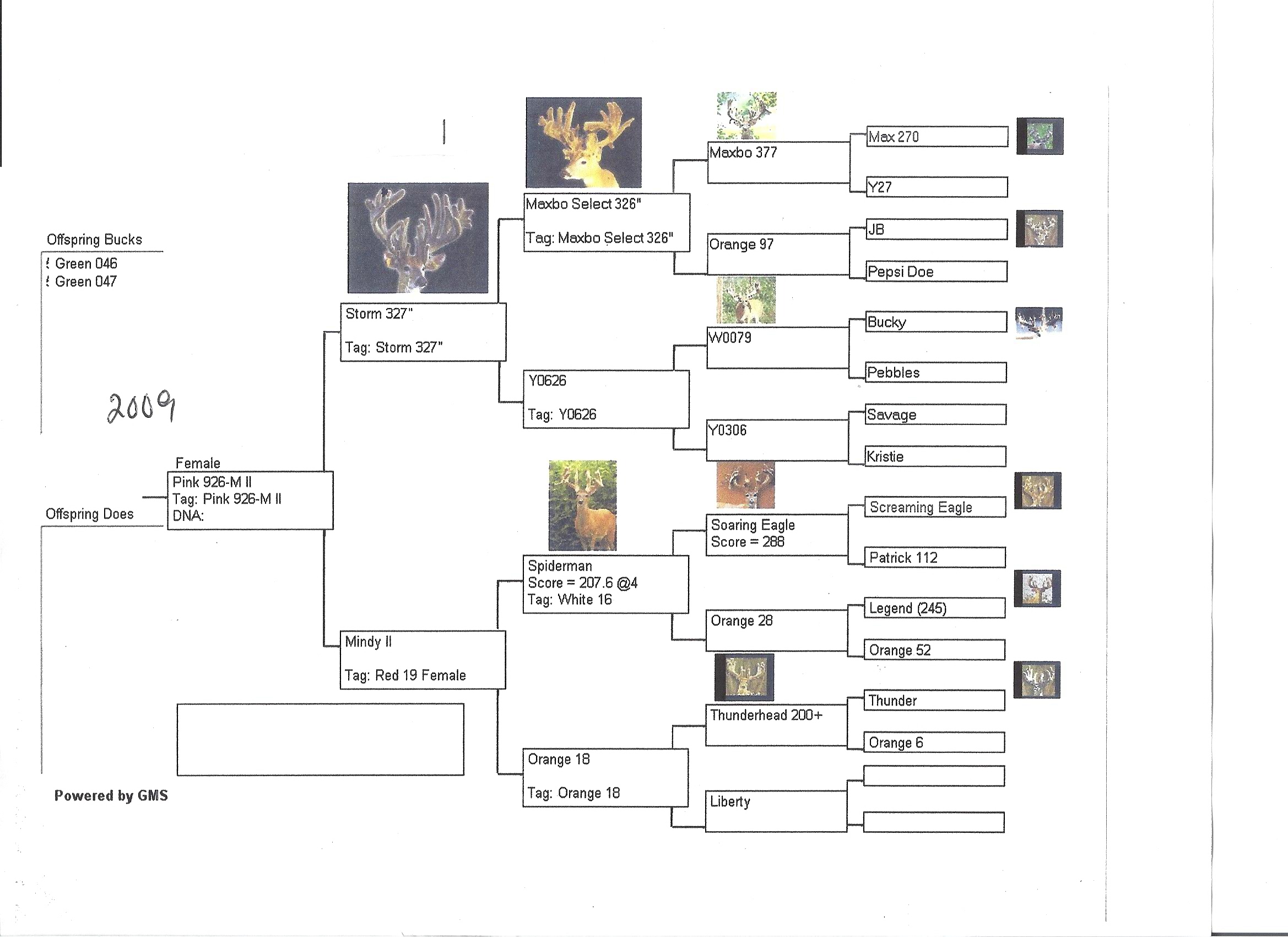
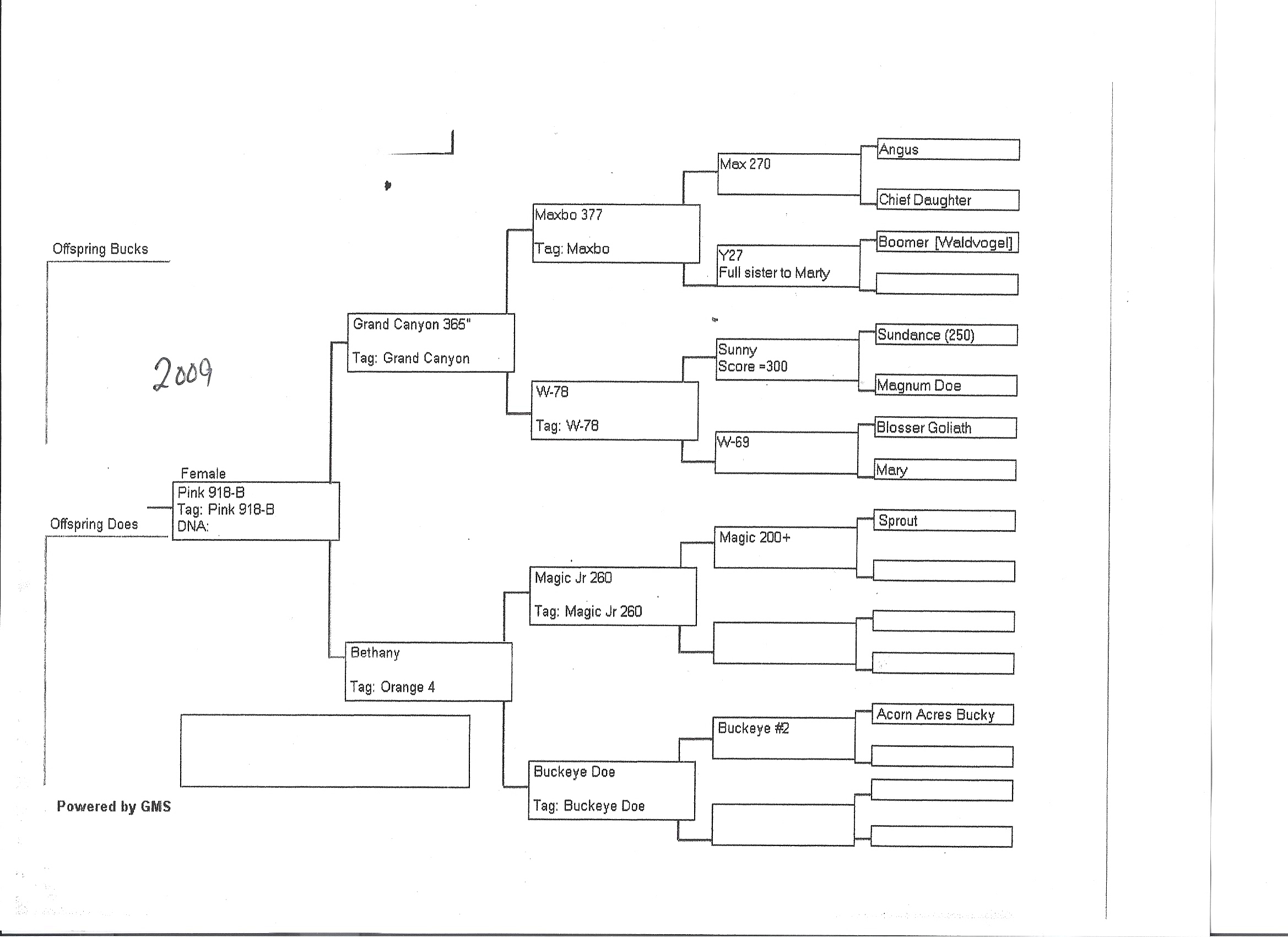
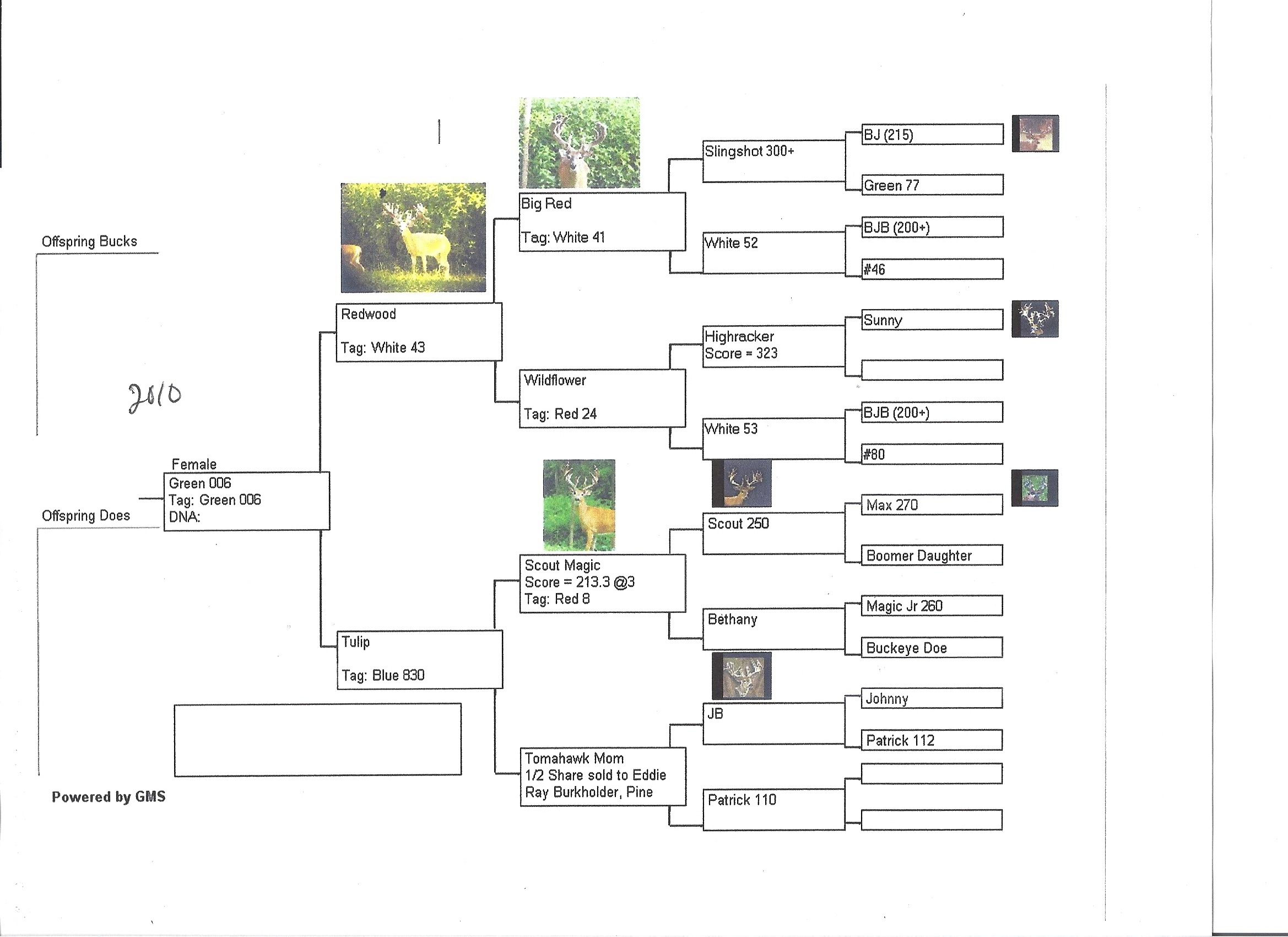
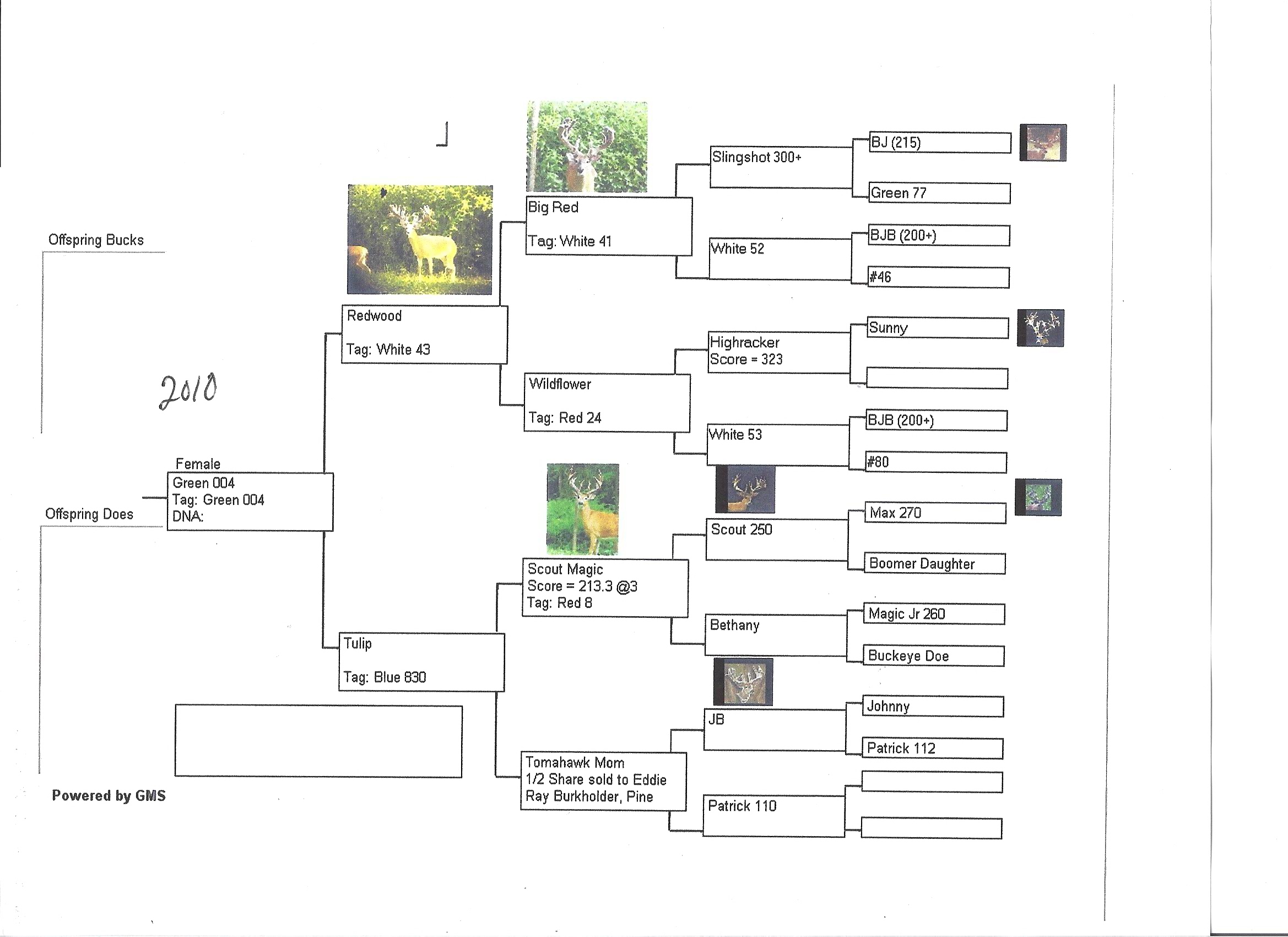
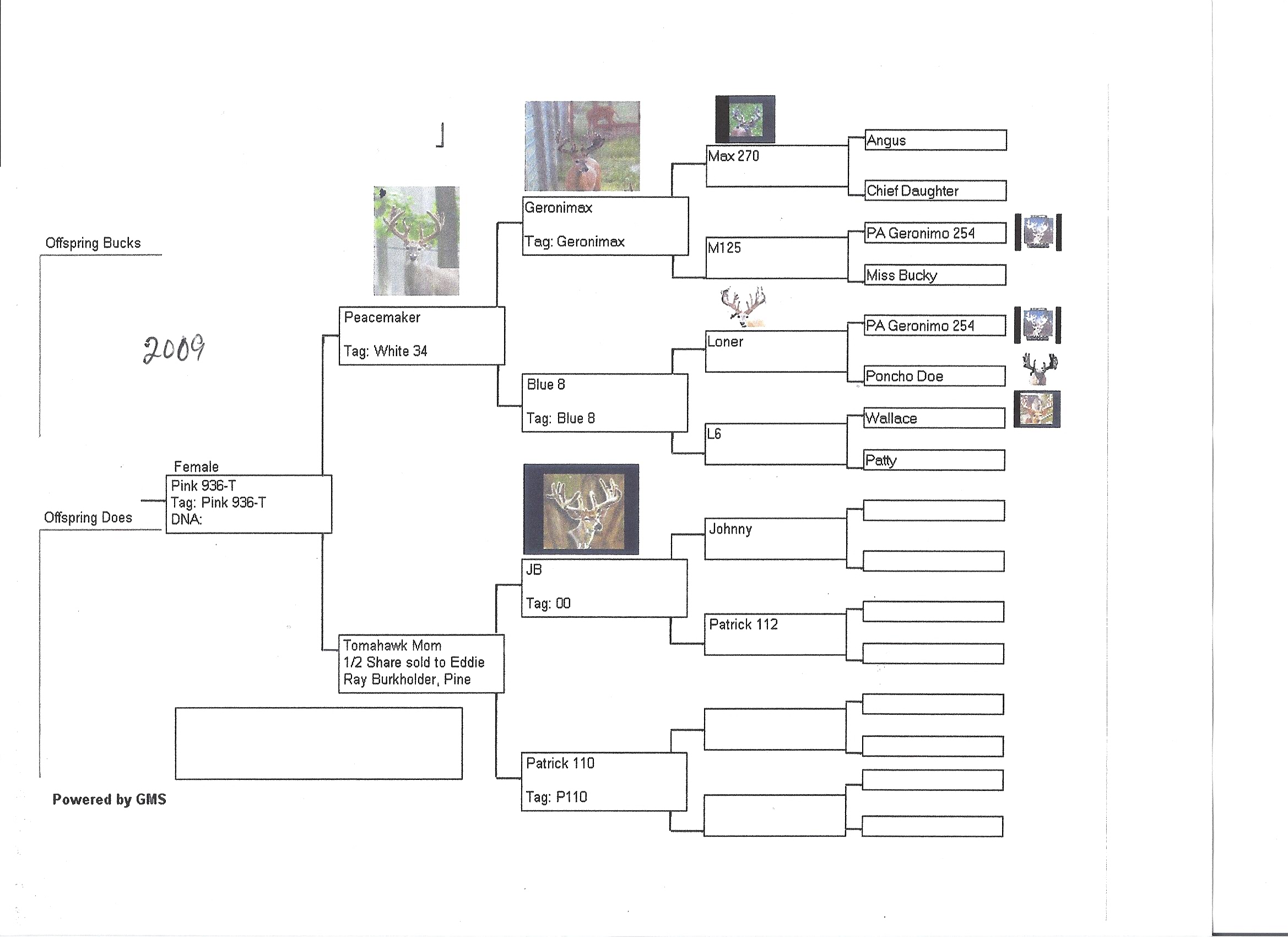
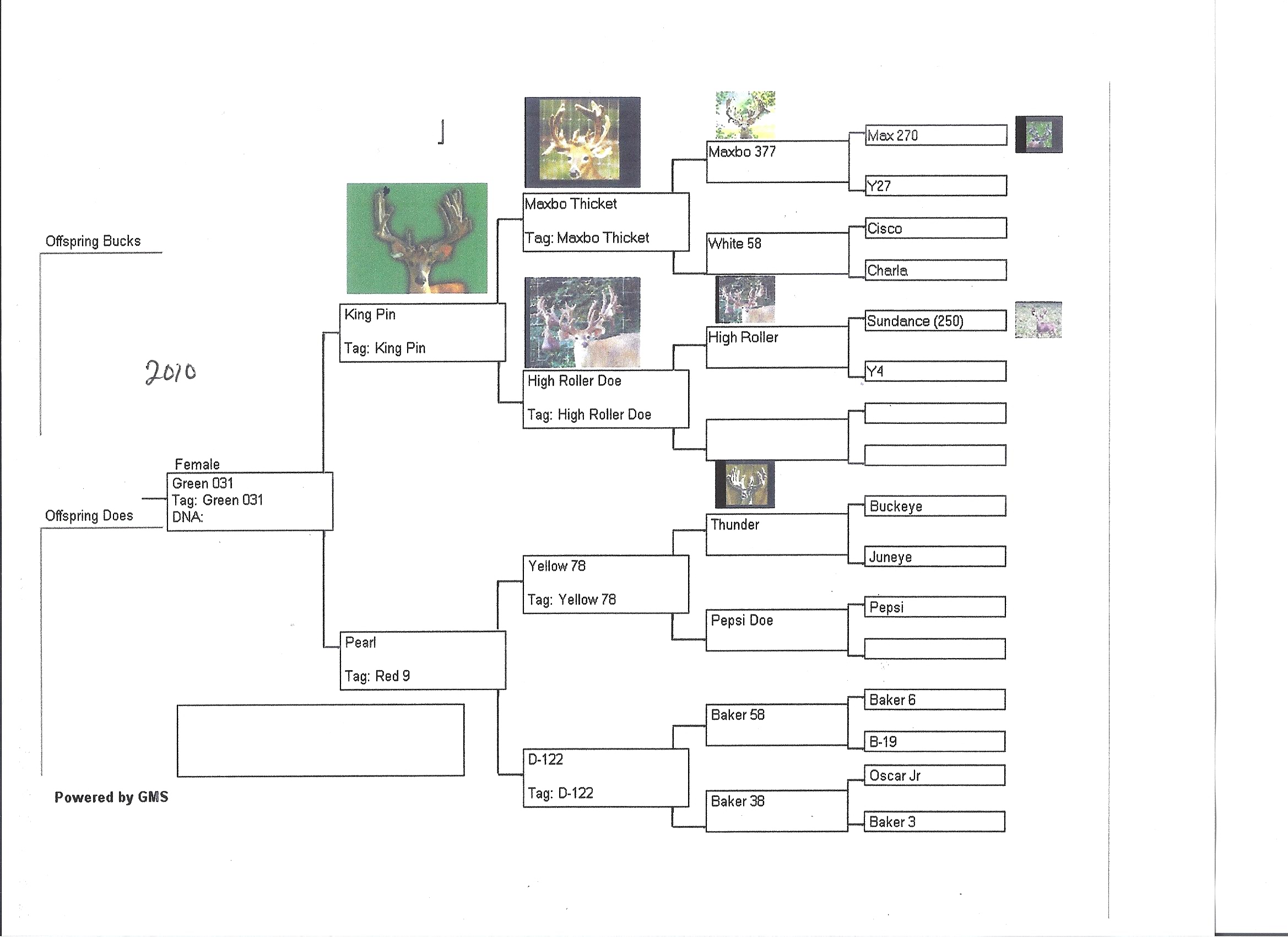
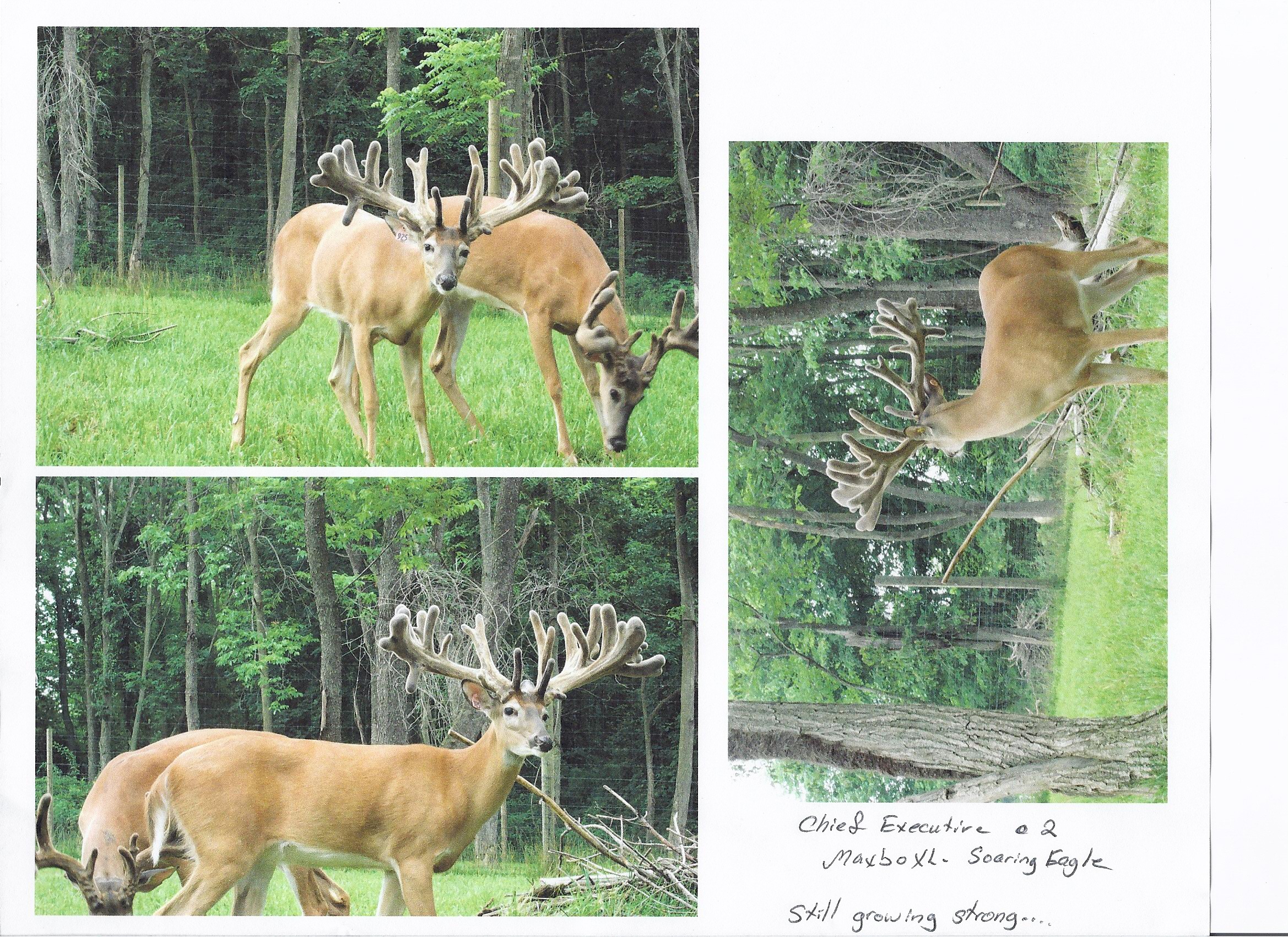
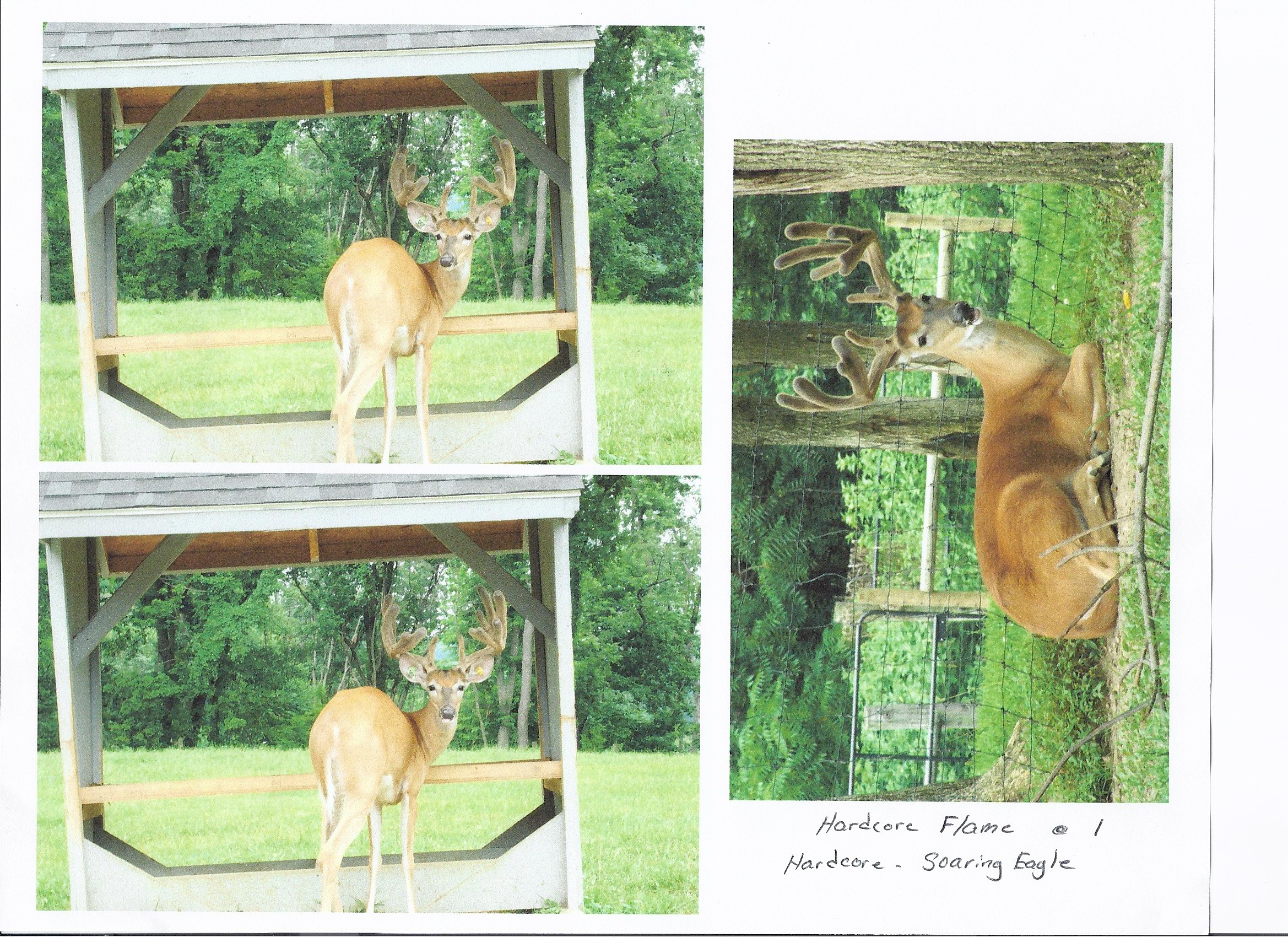
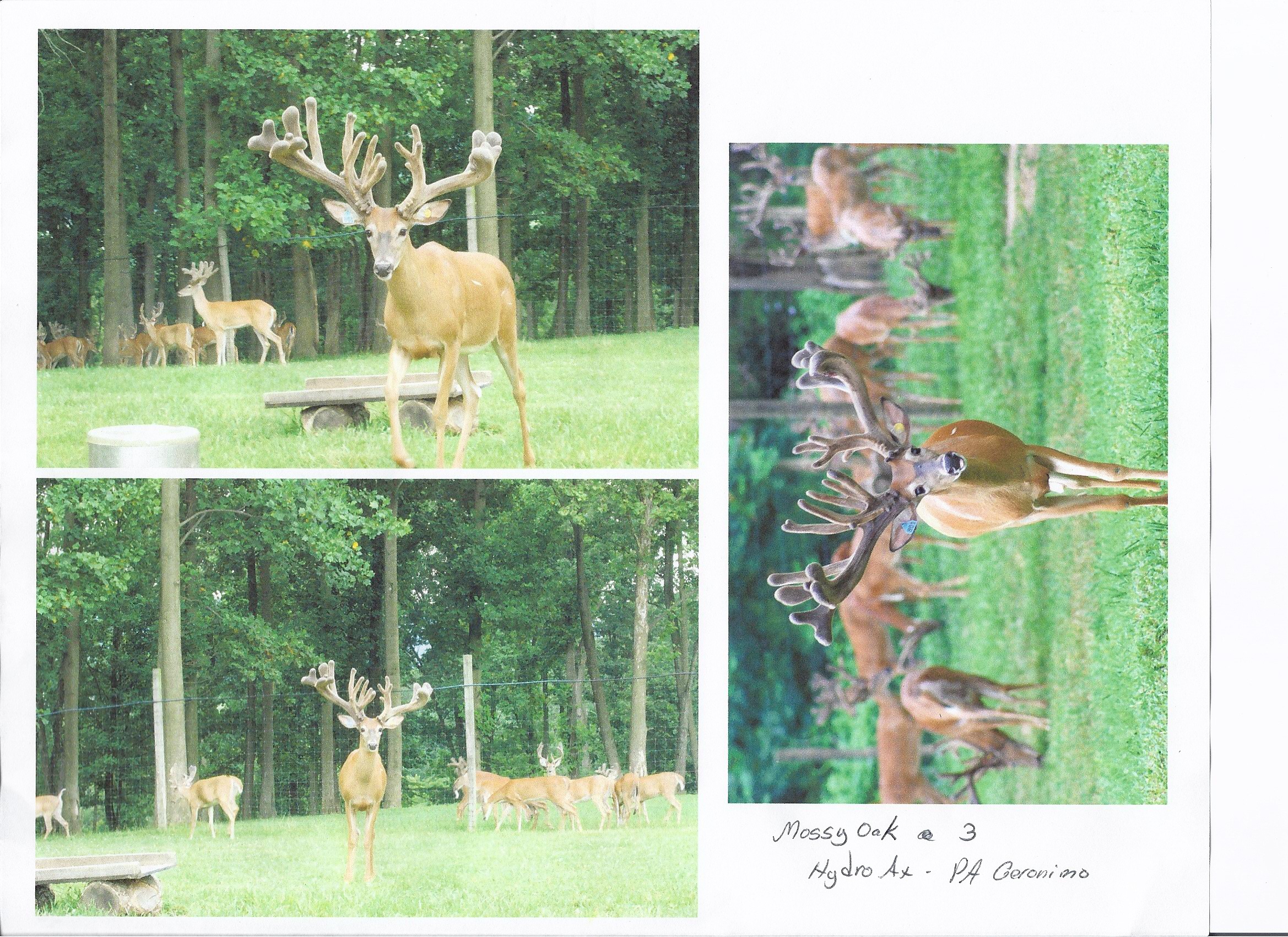
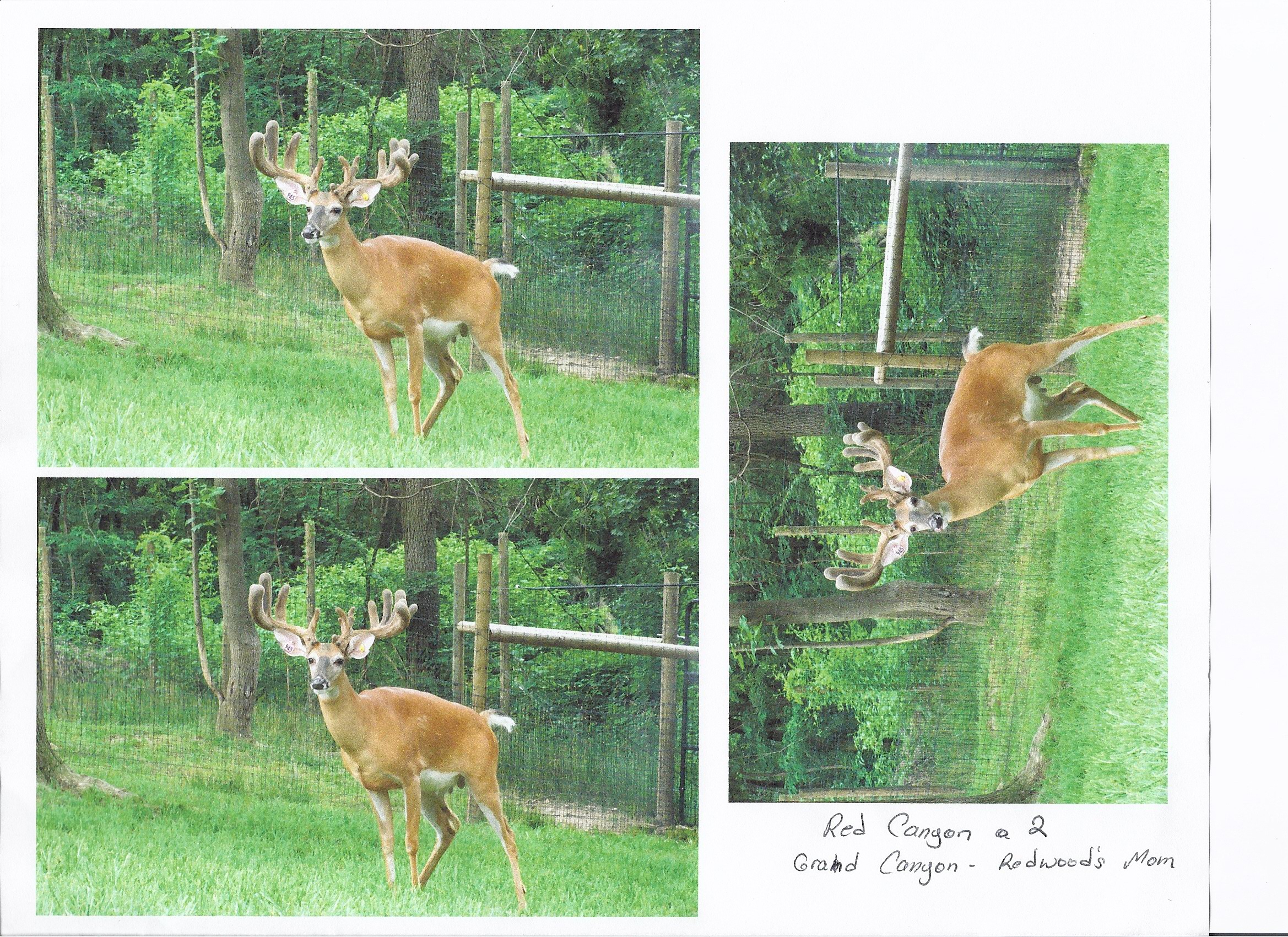
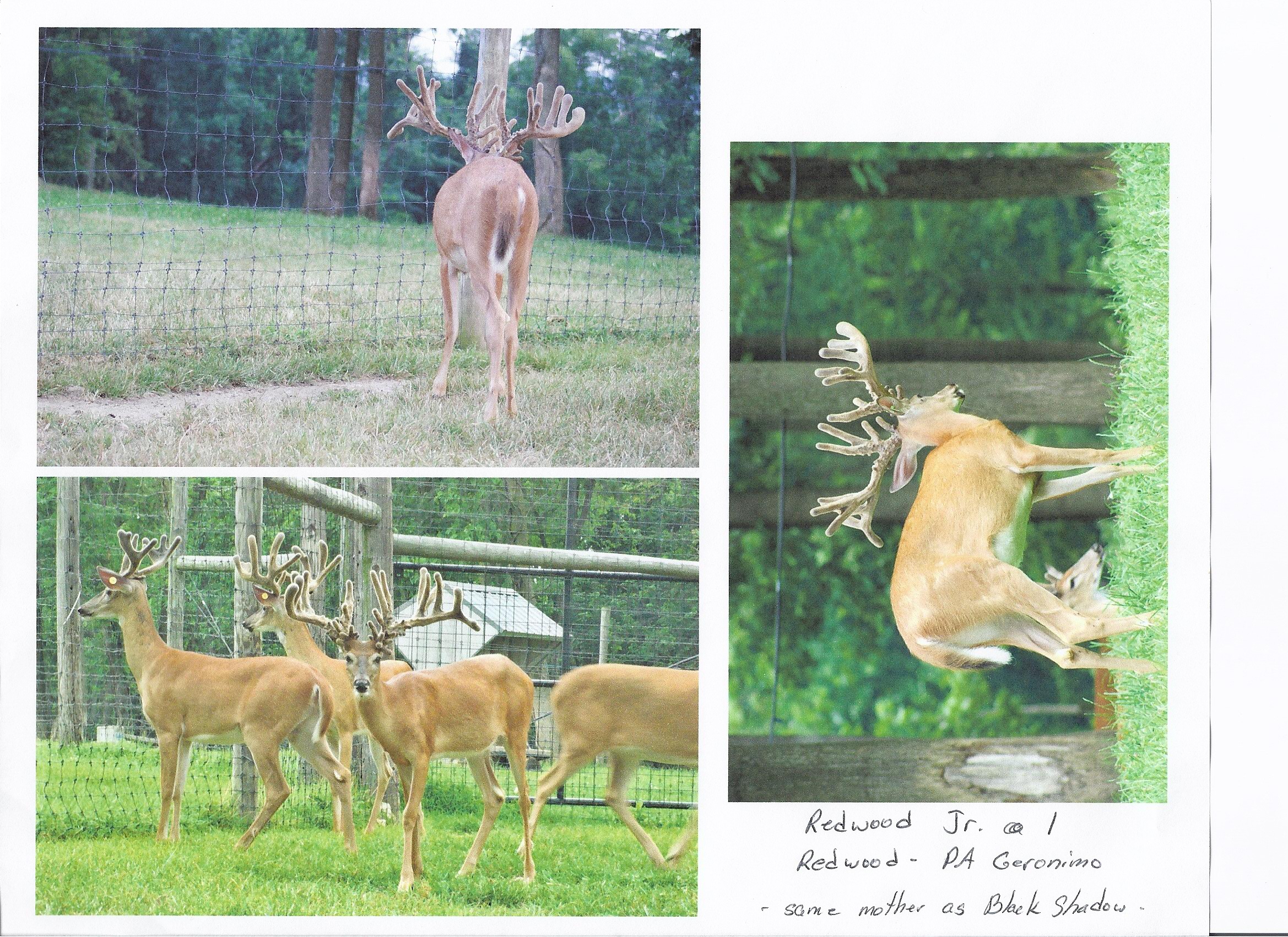
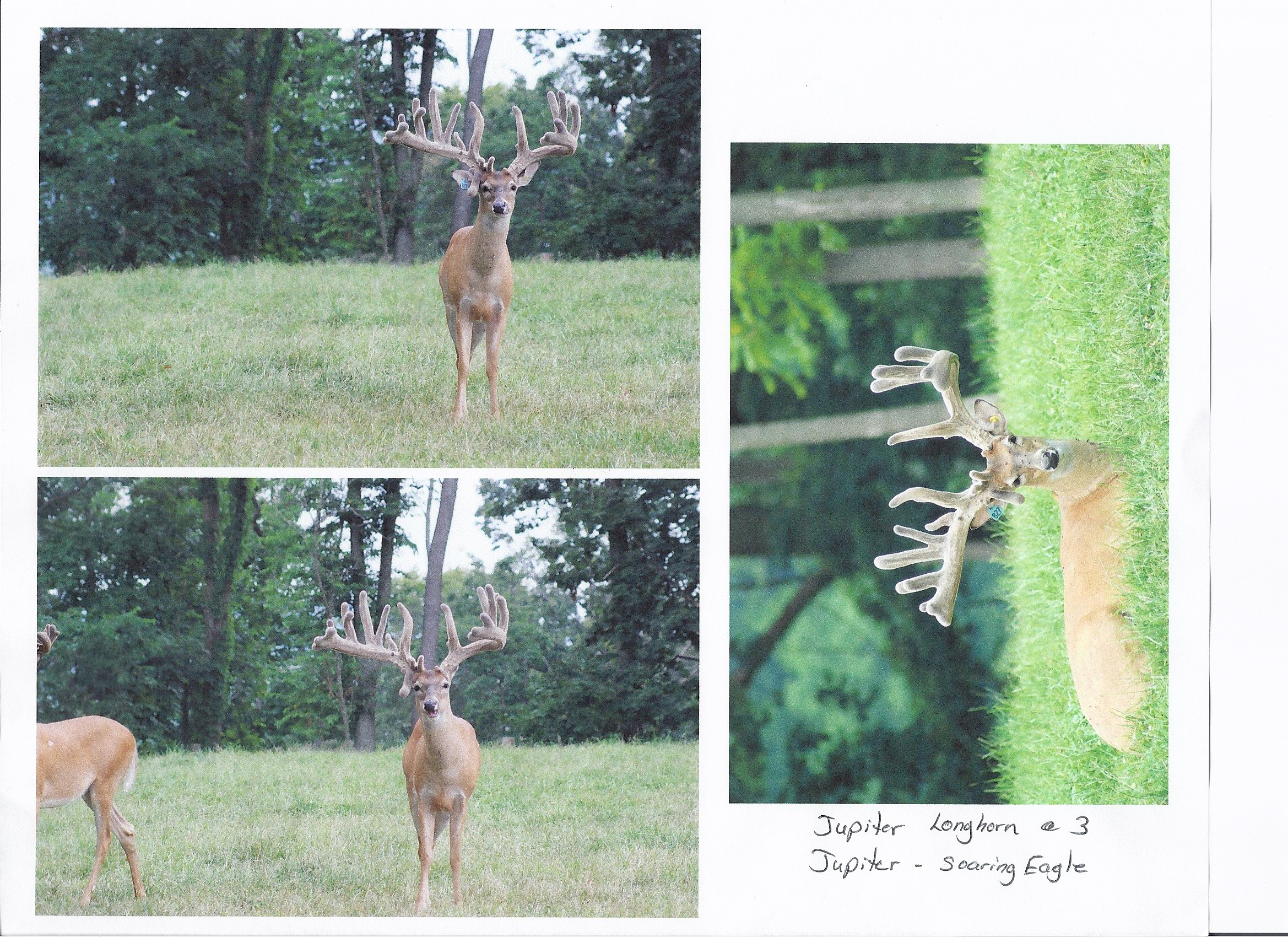

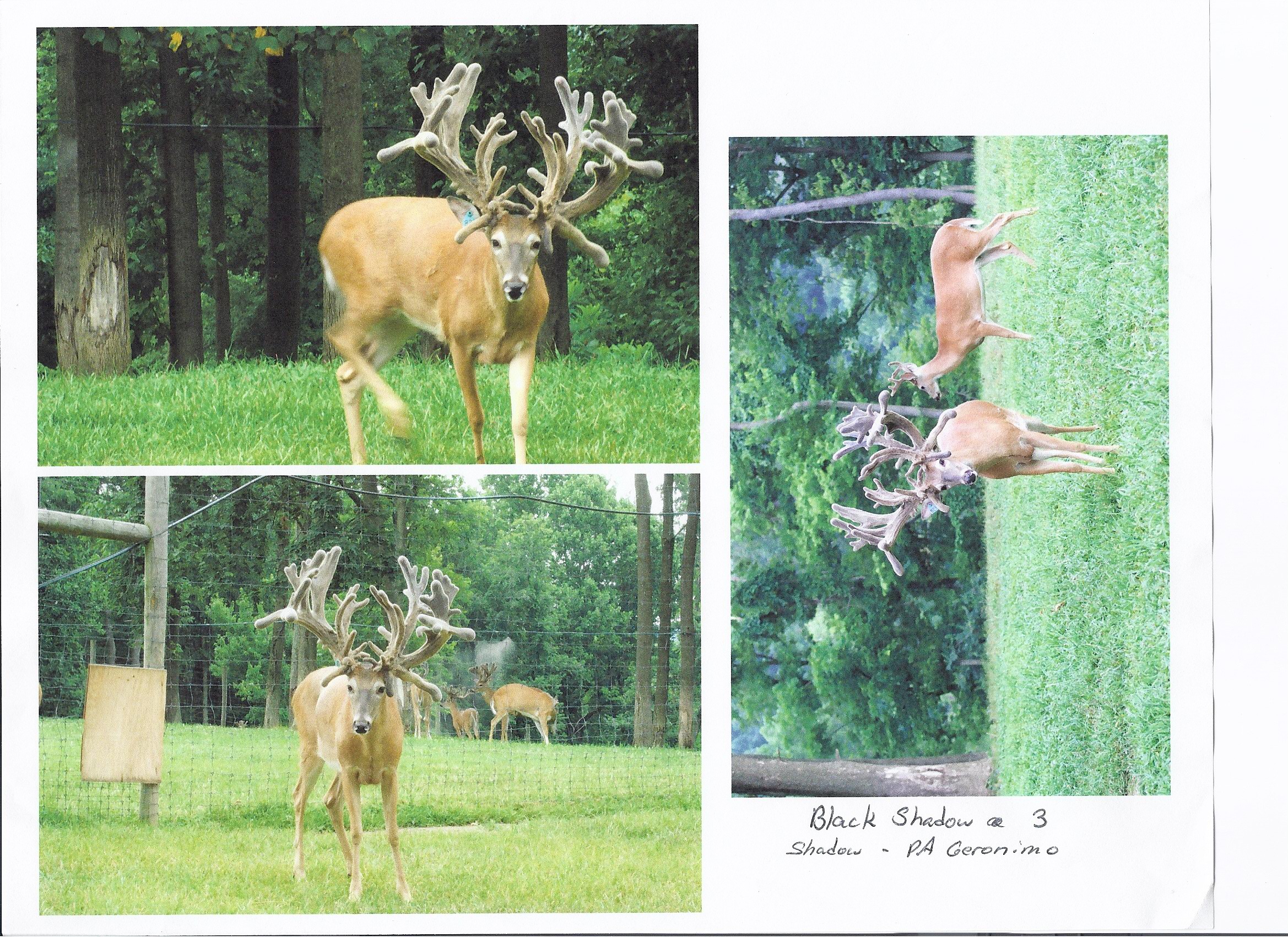
515-4868%20Super%20buck%20semen%20for%20sale%20W0064.jpg)


515-4868%20Charlie%20LeDoux%20www.monstergenetics.com%20!.jpg)





.JPG)
.JPG)



.jpg)


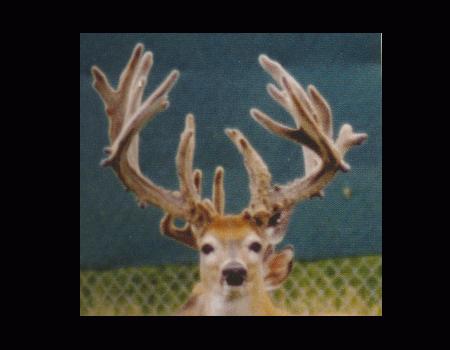
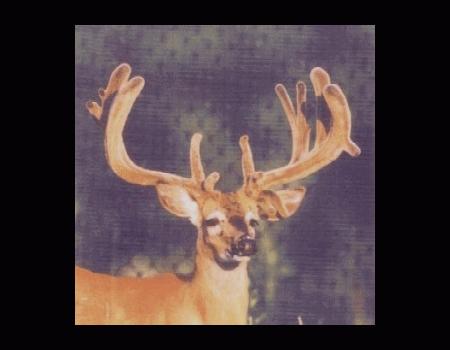

515-4868%20Charlie%20LeDoux%20www.louisianadeerfarm.com.jpg)
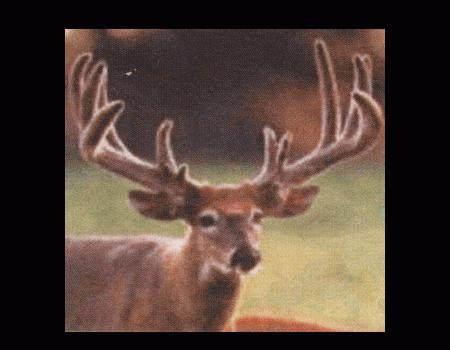


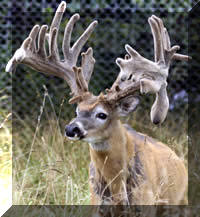


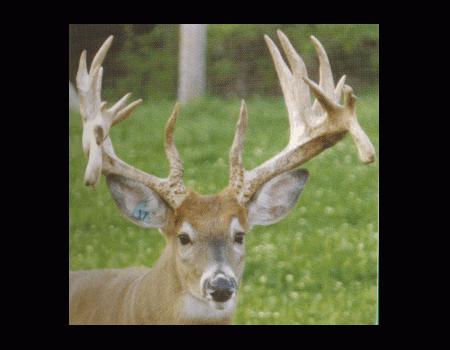
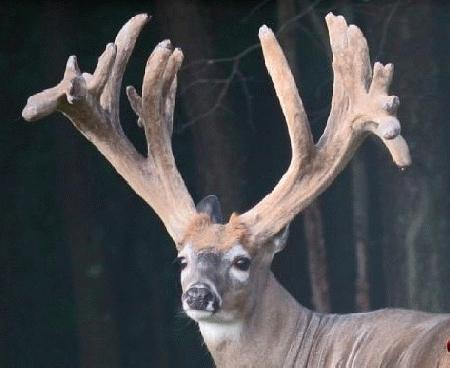
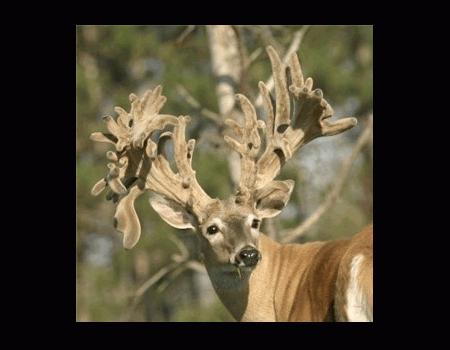
 Charlie "The Sweet" LeDoux Monster Genetics, North America's Superior Monster Whitetail Deer Genetics from Northern White-tailed Monster Deer Genetics bred to Superior Monster Southern Whitetail Deer Genetics!


515-HUNT(4868).jpg)

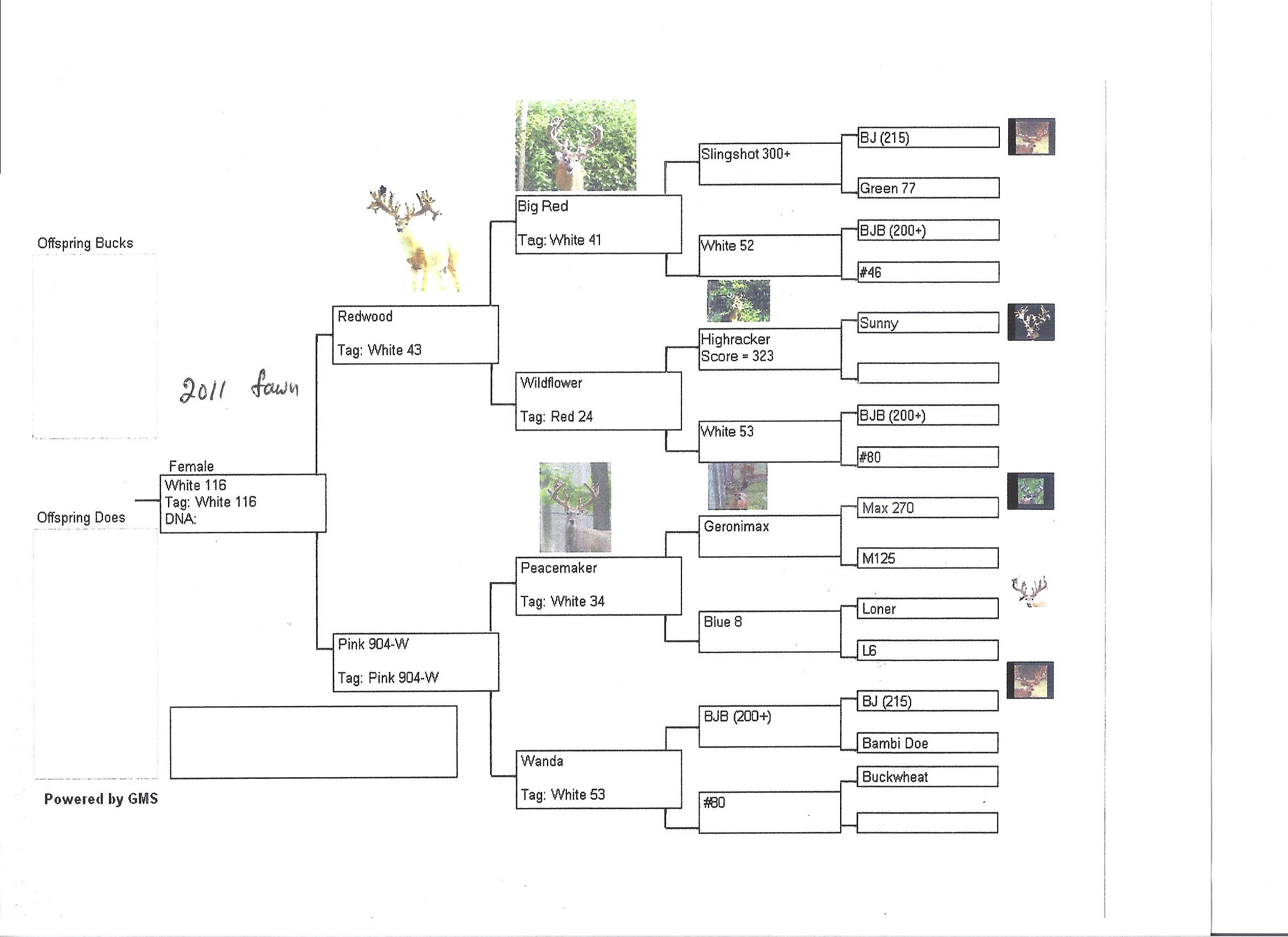
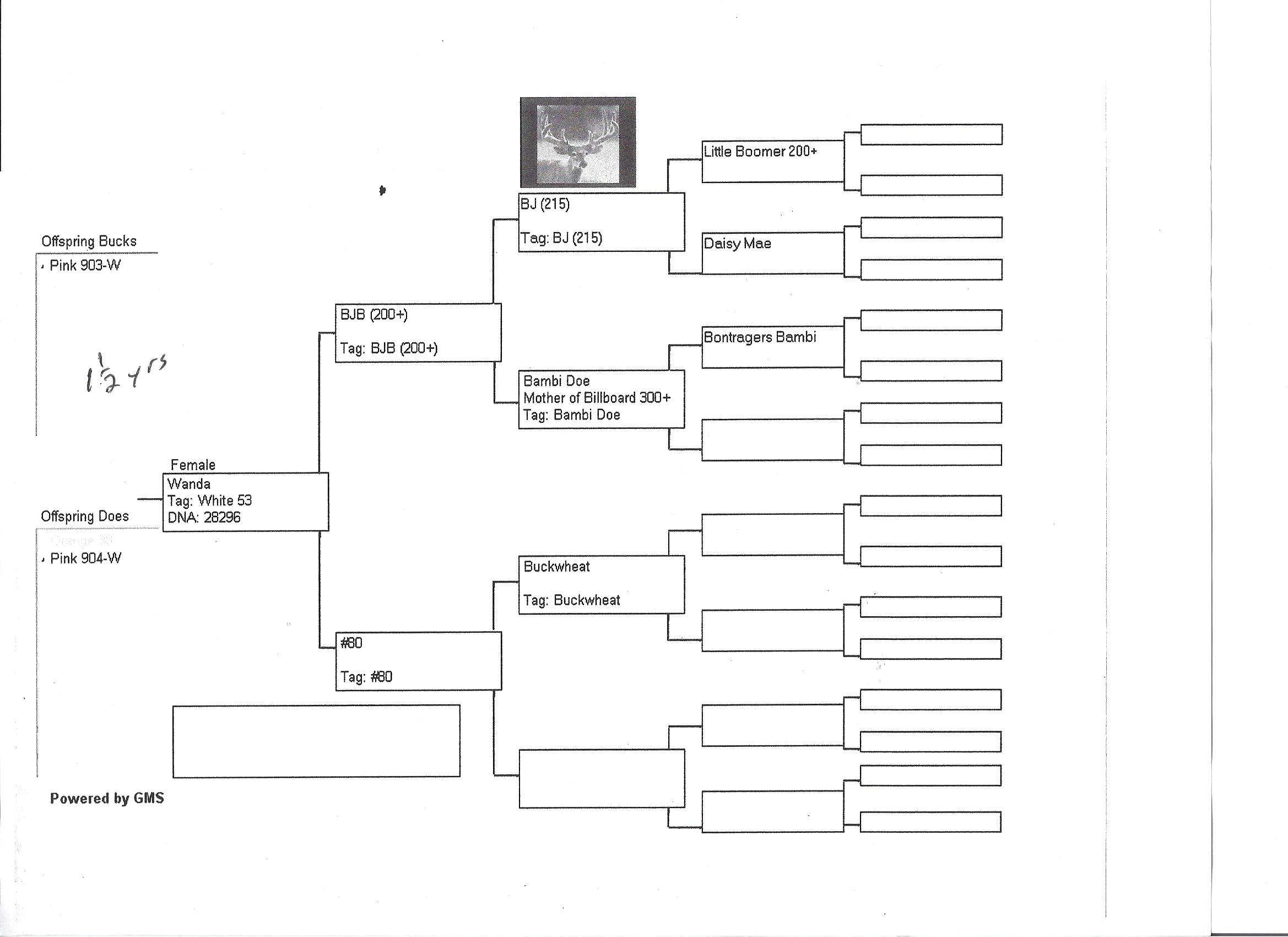
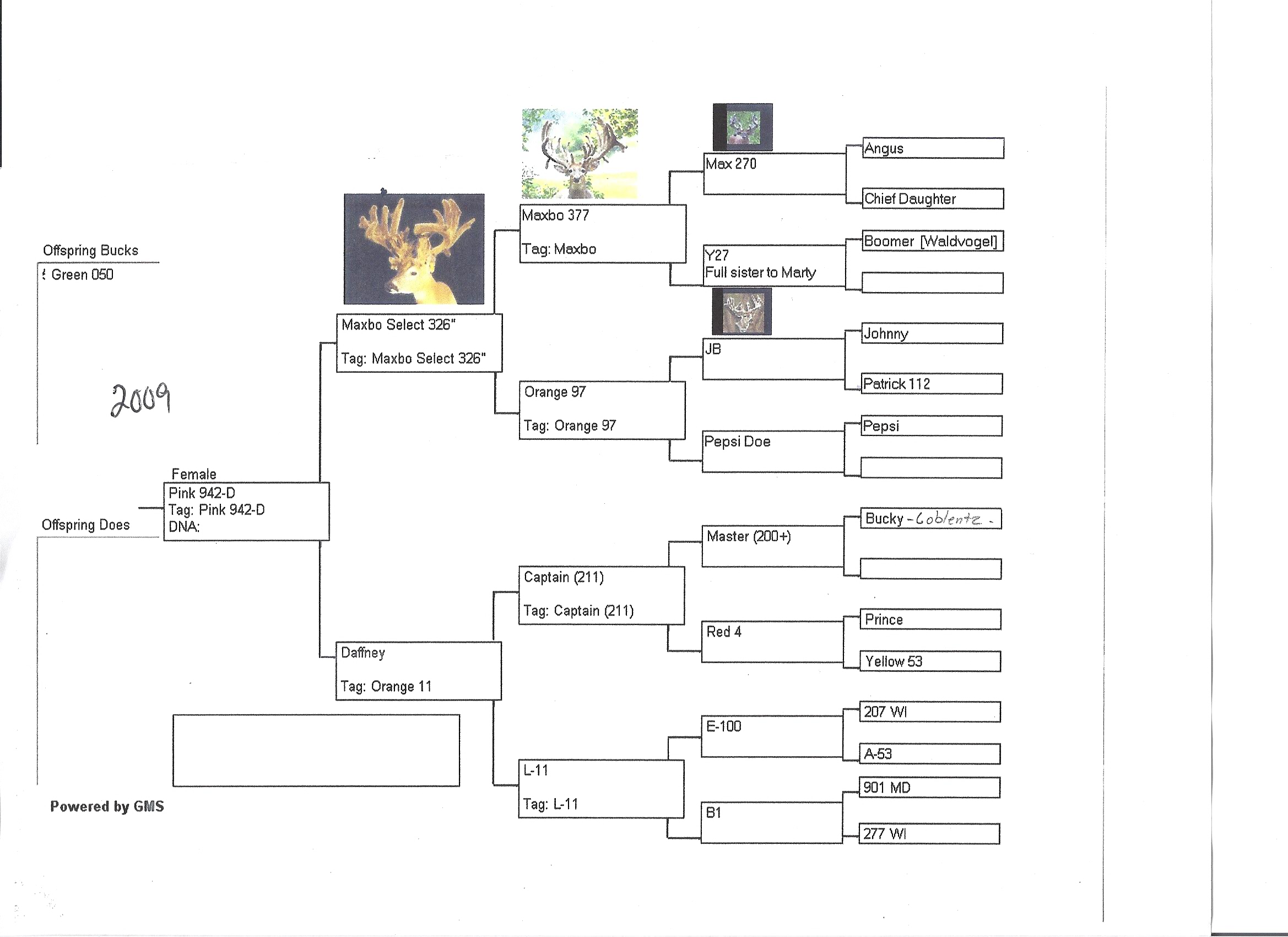
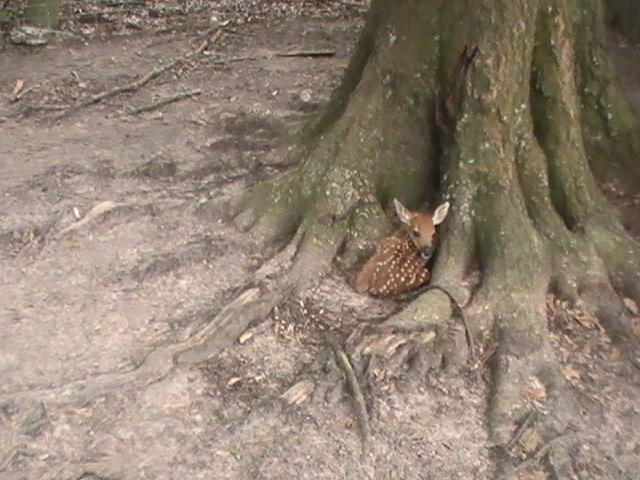
Breeder Monster Bucks, Shooter Bucks, Open Does and Bred Does for sale, fawns for sale. Louisiana Geronimo, DeWalt, X-Factor 509 inches B&C and Dream Catcher doe fawns for sale. All fawns can travel and come from accredited herds, buyers may pick-up for bottle feeding or wait till weaned and delivery will be available. Maximus great grand daughters for sale with loaded top and bottom pedigrees. Live delivery to most States available on Buck Fawns and bottle fed doe fawns deliver after weaning. All fawns are priced first come first serve basis and availability. Baker #110 2009 fawns daughter for sale! We have several open does available now and we will cover these does, for sale as bred does!
All fawns are priced first come fist serve basis and availability! Guaranteed Live Always!
Call for more information and to book your fawns (337)515-4868 Charlie LeDoux!
We fallow all Federal, State and Local laws when transporting please check your State first to make sure check your states rules and regulations!
Louisiana Monster Whitetail Shed Found in the Wild 2008 is proof enough Louisiana Wild Deer Herd is second to nun!
South Louisiana Monsters for sale Straws, Breeder Bucks, Shooter Bucks, Open Does, Bred Does and fawns at Louisiana Deer Farm .com Stud Bucks, Breeders or Shooters, Louisiana Bred sons of Mr. Double Doux
09 Blue Mountain Bismark doe fawns and buck fawns for sale RDM 44 magnum fawns, Dream Catcher doe fawns and Maximus great grand daughters for sale in Louisiana (337)515-4868 Charlie The Doux!
Click her for Fawn Whitetail Children's Birthday Parties, "Louisiana Trophy Whitetail Petting Zoo" come enjoy our Private Wildlife Parties!
For information on any of the hunts above please call Charlie LeDoux (337)515-HUNT(4868) anytime!



%20515-HUNT(4868).JPG)


.JPG)