We are now offering on most our Texas ranches, owner financing with only 5% down we will finance for 20 years at only 6% interest, hurry don't miss out on this once in a lifetime way to owning your own land opportunity!
Hunt Here or Wish You Had!
The term "dove" refers to the following species, and only the following species: mourning doves, white-winged doves, Eurasian collared-doves, and ringed-turtle doves.
Go HOG WILD, $150.00 Daily hunt / trespass fee per hunter per day Wild Hog Hunts free range. We show you to your stand at no extra charge. Hunters may bring four wheeler to retrieve there harvest. Guides are available if needed at $200.00 per day will include cleaning one hog per day.
Louisiana
Hunt Here or Wish You Had! We
also hunt private land, we offer fair chase day deer
and hog hunts. Gun or Bow
only $750.00 paid in advance include; three days
in my hunting
area on private land, stands, food plots and
feeders. Hunter arrives 30 minutes prior to
each hunting session and geared up for
the
hunt. Each hunter will be allowed to
harvest if successful one buck eight point or
smaller, one
doe and all varmints they wish if given
the opportunity (hogs are included).
$150.00 Daily hunt / trespass fee per
hunter per day. We show you to your stand at no
extra charge. Each point over three will be $50.00
per point and any extra buck will be an extra $50.00
per point with a minimum of $300.00 per
whitetail doe deer or bucks
three point or smaller. Hunters may bring
four wheeler to retrieve there harvest. During your
hunt
you may shoot all the
hogs
you wish to clean at no extra charge if the
opportunity arises. Guides are available if needed
at $200.00 per day. (337)515 -HUNT (4868) with me Charlie LeDoux 2009 / 2010 Hunting Season! Southwest Louisiana Duck and Goose Hunt Corporate Hunting Package, blinds for ducks and geese, mallards, pintail, teal, widgeon and speckle-belly and snow geese too, each blind will hold three customers or two customers and one guide per field blind! Hunt Ducks Opening Weekend Morning Duck Hunt and after duck hunt, Goose hunts. Price with or without Lodge and meals for hunters use of our blinds and awesome ducky area with or without guides! ( if hunting without guides you may hunt up to 4 per blind call for price!) Rock Canyon Ranch Corporate Hunting Package West Texas Corporate Hunt 100G$lam! Fifty animals in twelve days up to ten guest per day. Ten Trophy Axis Bucks + ten Trophy Aoudad Rams + ten Trophy Blackbuck Antelope + ten Trophy Fallow Bucks + ten meat does Hunters choice Axis, Fallow or Blackbuck does, corporate package includes 50 animals, 12 days and 12 nights lodging, meals, transport to and from stands, capping and quartering harvested animals. (sample: eight hunters can hunt each 3 days with a total of 32 deferent hunters over a twelve day session average cost $3125.00 each per hunter.) Located forty only minutes north of Del Rio Texas. Vista Valley Ranch $2,500.00 includes Lodging, meals, one eight point whitetail buck, one cull whitetail buck, one Aoudad and a Turkey. West Texas Ranch, near Del Rio Texas. Book with us for your next corporate outing, In addition to being the perfect corporate trip, our facilities are open year round and are ideal for family reunions, weekend getaways, year round exotic hunts or just spending a relaxing weekend in the country. Our lodges can accommodate up to 10 guests with a minimum of 5 hunters and corporate packages can be customized to suit your company needs. Buck Wild Ranch go Hog Wild in Shelby County Texas and San Augustine County Texas 10,000 acres Trophy wild Boar Hog Hunts $750.00 & non hunters $500.00 with Dogs or without. Three days hunting with lodging, meals, one Trophy Wild Hog, one meat hog, caped, skinned, quartered and placed in your ice chest. Electric and Water Hook ups available also primitive camping areas for those who wish to care for themselves and day hunt /camp for only $100.00 per person per day, hunters and non hunters receive one free hog tag per day. Hunt my stands and take one wild hog of any size no extra charge and the second hog or more .75 cents per lb on hoof you weight on my scale and then you clean or we clean for $50.00 each or $75.00 to cap and clean. Located twenty minutes south of Center Texas Charlie LeDoux's Buck Wild Lodge. NOW BOOKING Whitetail Deer HUNTS for 2010 - 2011 Whitetail Deer Hunting Season! Affordable no-kill, no-pay Whitetail deer hunting operation! Hunt Trophy Whitetail deer near Shreveport Louisiana.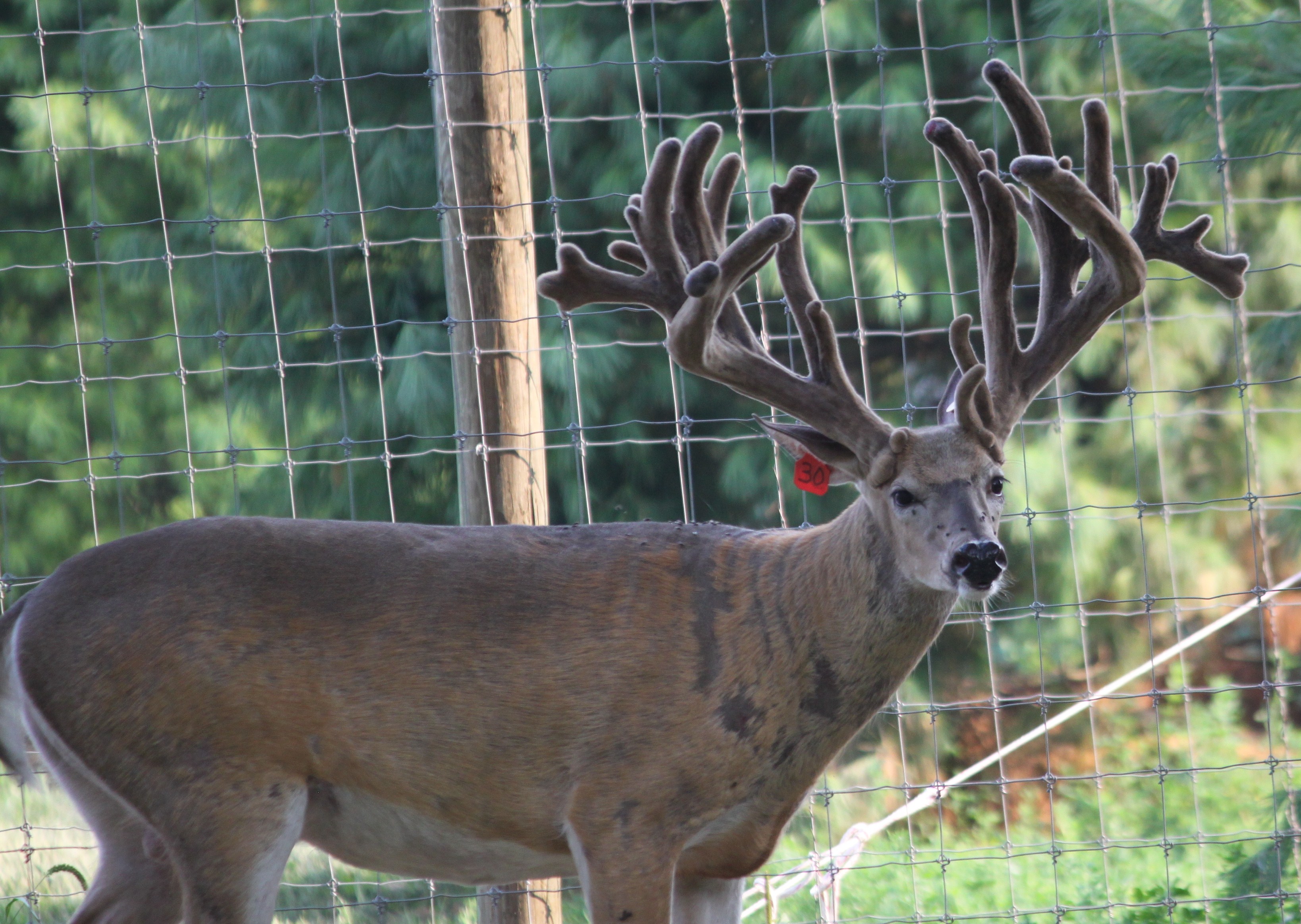 |
|||||||||||||||||||||||||||||||||||||||||||||||||||||||||||||||||||||||||||||||||||||||||||||||||||||||
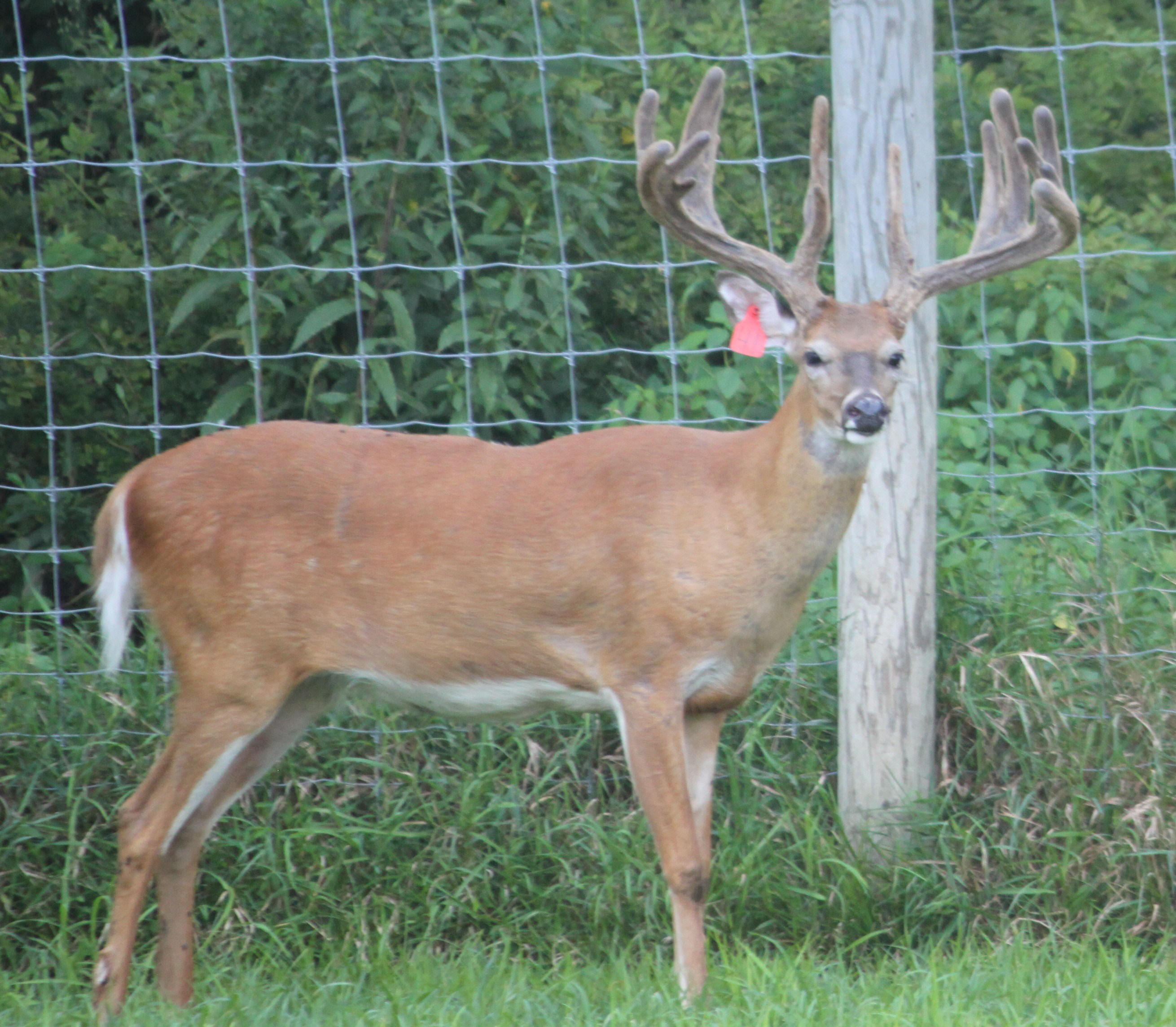
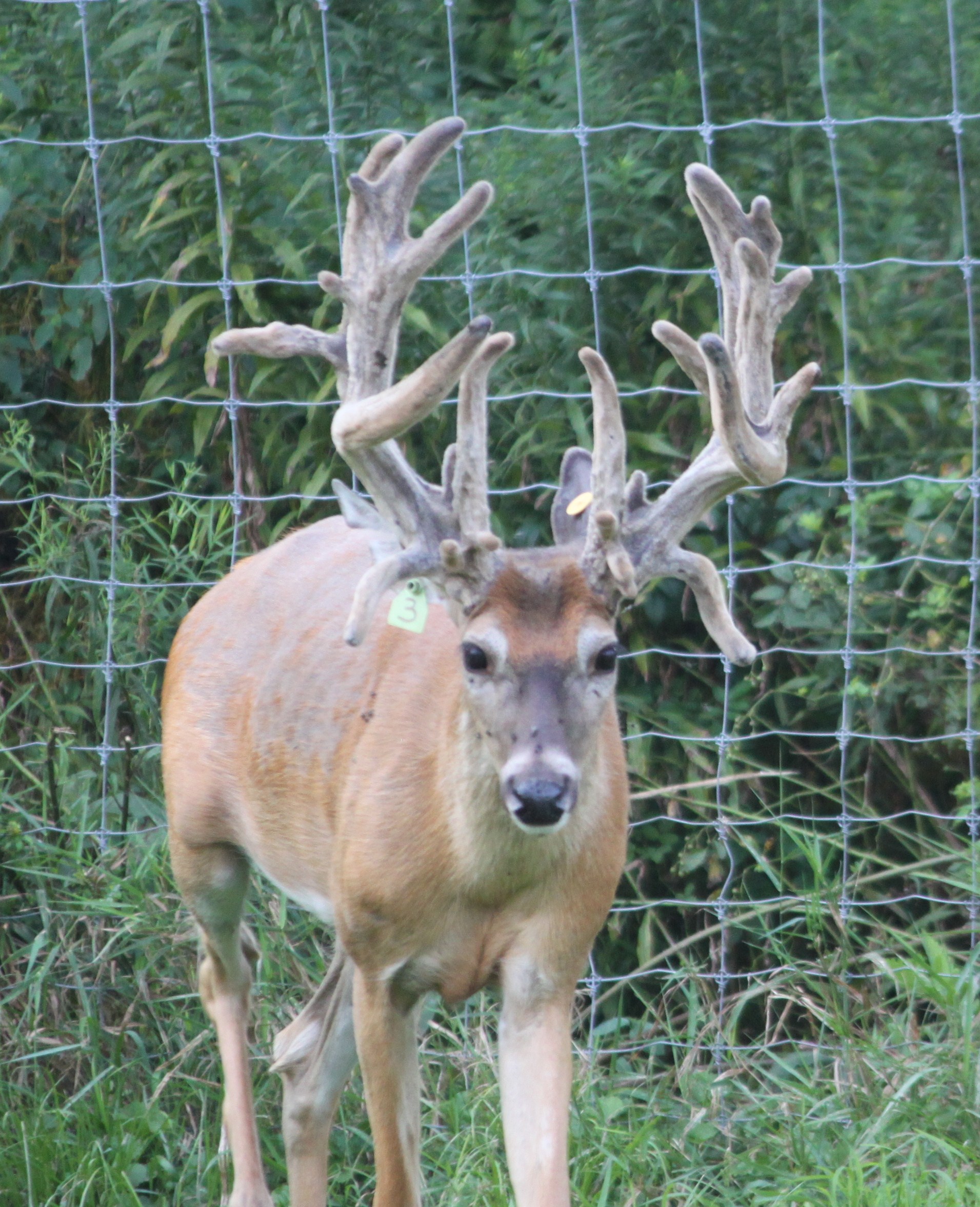



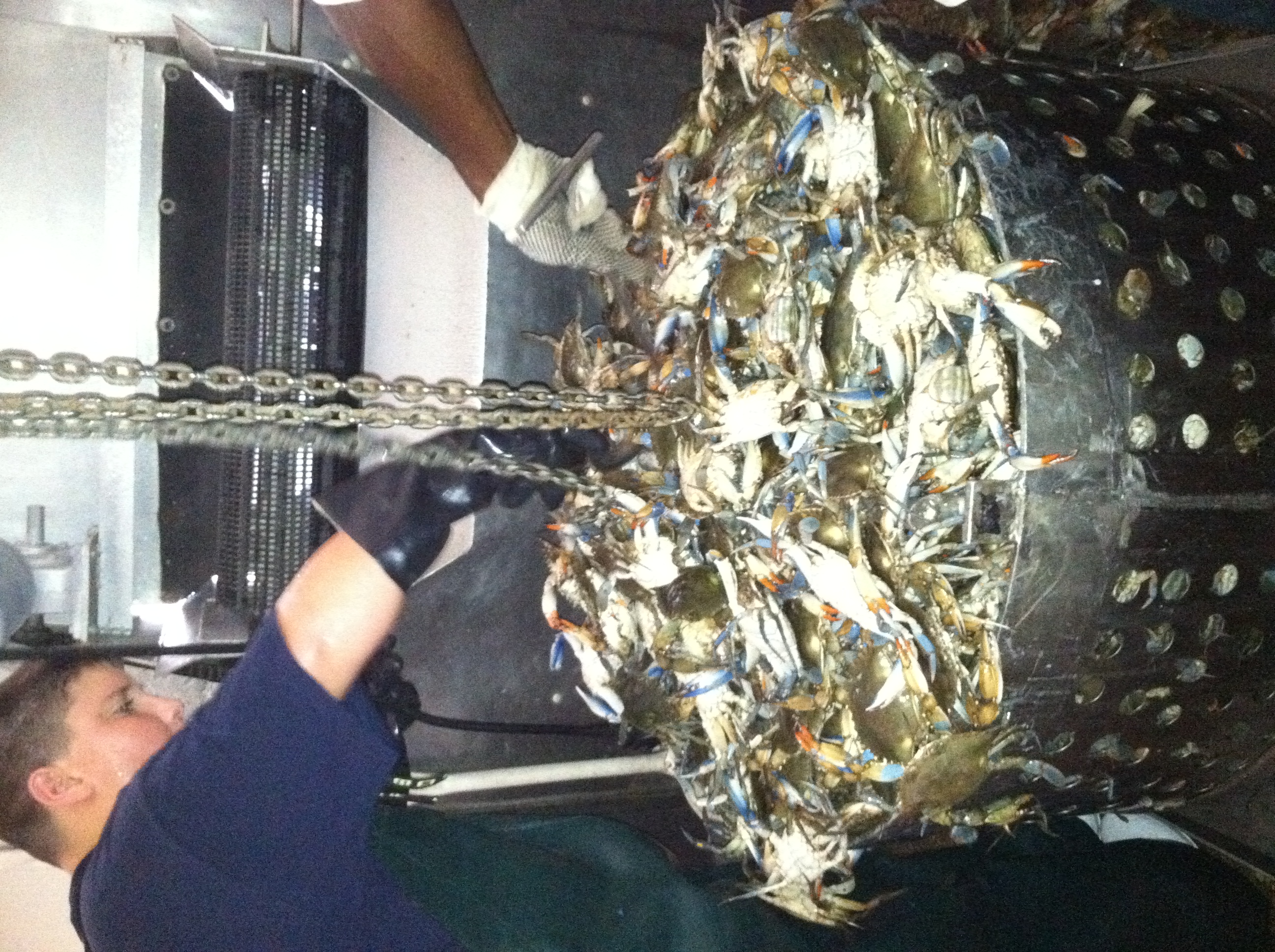


 (P&D) 21-25 count


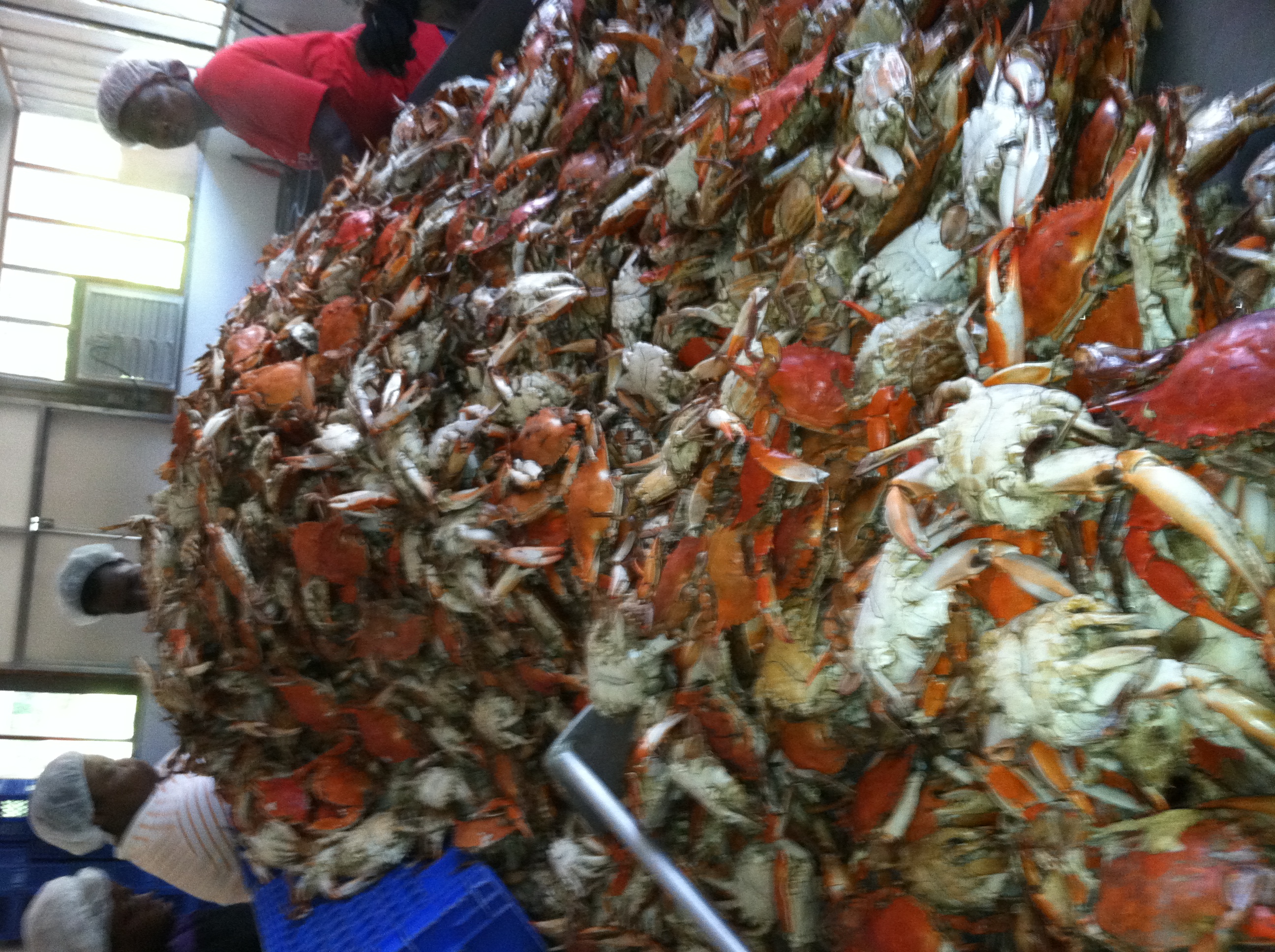
 Catfish For sale!

515-HUNT(4868)%20Charlie%20LeDoux.jpg)
515-HUNT(4868)..jpg)

515-HUNT(4868)..jpg)

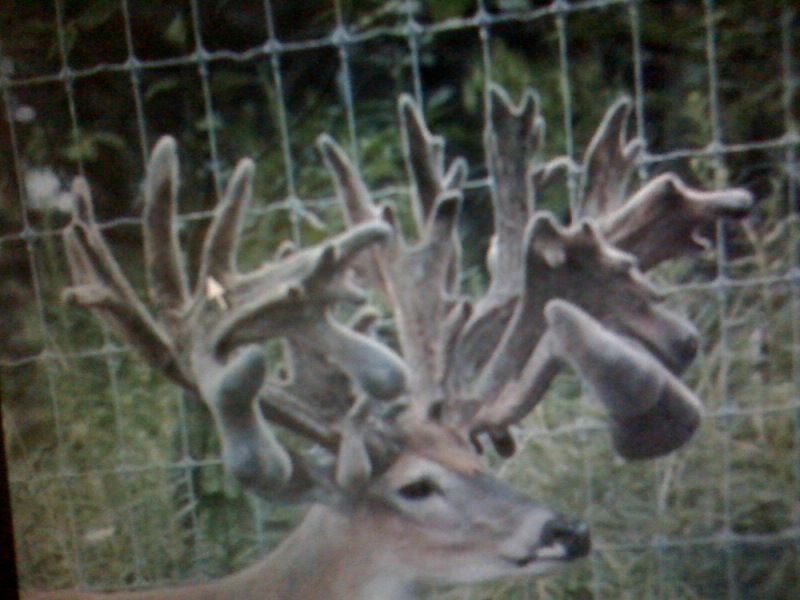
Dewalt official score @ 18 months of age 196 6/8 inch Boone & Crockett Sept.22,2010 Official B&C @ 2yrs 250 3/8"
|
 Rolex 420 inches B&C |
 Highroller 418 i nches B&C |
 Sundance 262 |
| Yellow #4 (Magnum daughter) | |||
| Yellow #125 | Max 270 inches B&C | ||
| Yellow #42 | |||
| Blue #5 | Doc 253 inches B&C | Marlin | |
| Beauty | |||
| Green #117 | Kansas 202 inches B&C | ||
| Moose (daughter) |
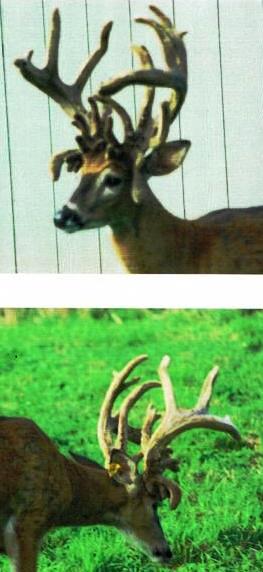
"Dewalt" "High Roller" "Dream Catcher" "Vortex" " Nitro" "Jesse" "BM Bismarck" "Redoy Jordan" "Crab King" "Crab Claw" "Hacksaw"
"RDM 44 MAG" " BM Bill" "Maximus" "Legend" "Buck Shot" "Bucky" 'Oscar Jr." "Double Doux" "Dreamer" "Vegas" "Max" "Slow Max" "Sundance"
Charlie LeDoux has Doe Power at least 60% of a Bucks antlers is determined by his mother and some have said as! When I began my deer farming operations, I learned from others that to produce World Class Whitetail offspring, we must first begin with the mothers. It has been documented that what a buck has on
his head comes 60% from his mother's genetic make-up. It is for that reason I began by purchasing a few foundation Does from the best genetics available. Now I offer
Monster Genetics bred and open does, 2009 fawns and 2010 fawns for sale NOW!
|
below
Louisiana Geronimo latest
pictures June 15,2010 and September
20, 2010 one day out of velvet
Owner: Charlie LeDoux Louisiana Trophy Whitetails 8 years CWD monitored since 2003, TB Accredited and Brucellosis Certified |
 Apache |
 PA Geronimo |
Studley |
| White 2 | Toby | ||
|
Double bred PA Geronimo Doe |
PA Geronimo |
Studley | |
| PA Geronimo Doe |
PA
Geronimo |
||
515-4868%20Charlie%20LeDoux%20www.monstergenetics.com%20!.jpg)

515-4868.jpg)
515-4868%20Charlie%20LeDoux%20www.monstergenetics.com.jpg)
|
Bottle fed
2008 Doe Blue 43 wound sister to Louisiana Geronimo (pictures above), Doe Blue 43 "Doux Geronimo" she was bred to DeWalt and has one doe fawn with her now (Yellow 1-Doux DeWalt).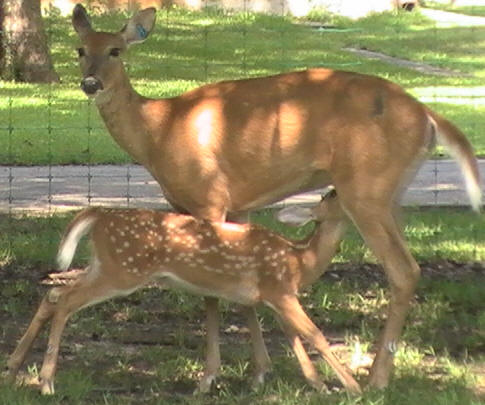
Louisiana Trophy Whitetails 8 years CWD monitored since 2003, TB Accredited and Brucellosis Certified Owner: Charlie LeDoux
|
Apache |
PA
Geronimo |
Studley |
| White 2 | Toby | ||
|
Double bred PA Geronimo Doe |
PA Geronimo |
Studley | |
|
PA Geronimo Doe |
PA
Geronimo |
||
|
7/19/2010 FOR SALE
Price bred
to Louisiana Geronimo $5,500.00 Bottle fed 2008 Doe Yellow 19 Louisiana Trophy Whitetails 8 years CWD monitored since 2003, TB Accredited and Brucellosis Certified Owner: Charlie LeDoux |
Yellow 89 | BM ROY | Stormy | Redoy Bill | Redoy Jim | |
| Ben Click Doe | ||||||
| Green 25 | Darkeyes | E 93 | ||||
| C 116 | ||||||
| Red 8 | ||||||
| Yellow 6 | Henry | Crab Claw | ||||
| Roy Yoder doe | Redoy Bill | Redoy Jim | ||||
| White 11 | Jr |
Magic Jr 251 B&C |
||||
| 25 | ||||||
| 76 | Hi Pop | |||||
| Green 1 | ||||||
|
7/19/2010 FOR SALE Price bred to Louisiana Geronimo $5,500.00 Bottle fed 2008 Doe Yellow 29 Louisiana Trophy Whitetails 8 years CWD monitored since 2003, TB Accredited and Brucellosis Certified Owner: Charlie LeDoux
|
Orange 16 |
 Blitzen 242 B&C |
JB 211 | Johnny Buck | |||
| Patrick 112 | |||||||
| Patrick 110 doe | Son of Patrick | ||||||
| Pepsi doe | |||||||
| 0059 | BJB | BJ | Little Boomer | ||||
| Daisy Mae | |||||||
| Yellow 2 | Bambie | ||||||
| Wideload doe | |||||||
| 45 | |||||||
| Buckwheat Doe | |||||||
| White 124 | JR |
Magic Jr 251 B&C |
Magic | ||||
| Green 25 | Darkeyes | ||||||
| Red 8 | |||||||
| 1 Green | Buttons | ||||||
| Brownie | |||||||
| 2 Green | TJ | K 13 | |||||
| D 22 | |||||||
| Orange 13 | Ratchet | ||||||
| Red 62 | |||||||
515-4868%20Charlie%20LeDoux%20www.louisianadeerfarm.com.jpg)
|
7/19/2010 FOR SALE
Orange 7,
Price bred to Louisiana Geronimo $6,500.00
Bottle fed two 2009 does Orange 7 dame is yellow 29 & Orange 9 dame is blue 32 Louisiana Trophy Whitetails 8 years CWD monitored since 2003, TB Accredited and Brucellosis Certified Owner: Charlie LeDoux
|
Slow Max | IMax |
Maximus CR |
Max |
| Blue 32 | ||||
| Blue 14 | JB son | |||
| Yellow 27 | ||||
| Blue 84 | JR | Humpy | ||
| Jonie | ||||
| Litte II | Big Ben | |||
| Litte I | ||||
| Blue 32 is a twin to Yellow 29 | Orange 16 |
Blitzen 242 B&C |
JB | |
| Patrick 110 Doe | ||||
| 0059 | ||||
| White 124 | Jr |
Magic Jr 251 B&C |
||
| Green 1 | ||||
| Green 2 | TJ | |||
| Orange 13 | ||||

|
Two Does Bottle fed 2009 doe twins 7/19/2010 FOR SALE Orange 17, Price bred to Louisiana Geronimo $6,500.00 Orange 17 & Orange 16 Louisiana Trophy Whitetails 8 years CWD monitored since 2003, TB Accredited and Brucellosis Certified Owner: Charlie LeDoux |
 Vortex 170 B&C @1 year old |
Rolex 420 inches B&C |
Highroller 418 B&C |
||
| Yellow 125 | Max | ||||
| Yellow 42 | |||||
| Yellow 62 | RDM Fireball |
RDM Goliath 429 B&C |
|||
| Crinkle | |||||
| Orange 0 | Redoy Bill | ||||
| Pepsi Daughter | |||||
| Yellow 70 |
Liberty |
Ratchet | N/A | ||
| N/A | |||||
| Red 62 | Orange 5 | H10 | |||
| F123 | |||||
| Orange 35 | E93 | ||||
| M62 | |||||
| Green 2 | 50 50 | Bashful | |||
| Charlotte | |||||
| Yellow 99 |
 Legend |
||||
| Orange 40 | |||||


|
Bottle fed
2009 doe twins
7/19/2010 FOR SALE Orange 14, Price bred to Louisiana Geronimo $5,500.00Orange 14 & Orange 13 Louisiana Trophy Whitetails 8 years CWD monitored since 2003, TB Accredited and Brucellosis Certified Owner: Charlie LeDoux |

Buckshot @ 18 months |
44Mag |
Gunsmoke | |
| White 13 | Goliath | |||
| Kelsey | ||||
| Yellow 1 | Redoy Jordan | |||
| Bill Doe | ||||
| Yellow 24 | Joy |
 Magic Jr. |
Magic | |
| HiPop | ||||
| 76 | ||||
| Rose | Master | Ohio Bucky | ||
| Ben Coblenz | ||||
| 36 | Dark eyes | |||
| Green 33 | ||||
|
7/19/2010 FOR SALE
Yellow 18,
Price bred
to Louisiana Geronimo $5,500.00 Bottle fed 2009 doe Yellow 18 Louisiana Trophy Whitetails 8 years CWD monitored since 2003, TB Accredited and Brucellosis Certified Owner: Charlie LeDoux |
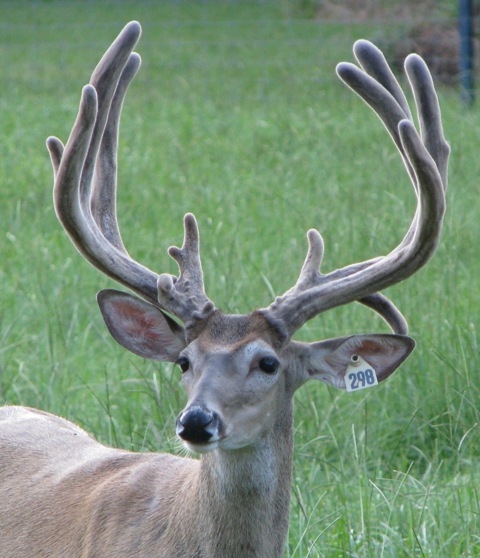 Baker 298 |
 Baker 110 |
Baker 36 | Oscar Jr. |
| Baker 2 | ||||
| Baker 57 | Oscar Jr. | |||
| Ryals 66 | ||||
| Baker 42 | Oscar Jr. | Oscar | ||
| Pure South Texas | ||||
| Baker 328 |
Baker 110 |
Baker 36 | Oscar Jr. | |
| Baker 2 | ||||
| Baker 57 | Oscar Jr. | |||
| Ryals 66 | ||||
| Baker 213 | Oscar Jr. | Oscar | ||
| Jessica | ||||
2004 doe White #15 with Blitzen on top & Orange #5 born bottom (she is Grand Dam to Say it aint so Shadow) she is bred live to NuMax 240 at 3years old a MaxBo son.
2007 doe NRW0743 Duramax on top and Eclipse on bottom she is bred live to Shadow 370 at 3years old.
2006 doe Blue #27 with BM Bill on top & Redoy Jordon on bottom she is live bred to Wildfire 320 inch 2year old with PA Geronimo on top Bill on bottom.
2008 doe Green #99 with Drifter on top and Max on bottom and is live bred to 300 inches plus BM Roll-on Bill he is BM Royal Bill wound brother with Rolex on top and Bill on bottom.
2008 doe Red #5 with GB Buckster 407 B&C & BM Bill on bottom and she is live bred to Sharp Shooter 200 B&C @1year he is Drifter on top & Rolex on bottom.
A limited number of fawns from these does above will be sold, Book your fawns Now (337)515-4868 Charlie LeDoux!
2010 fawns for sale, Buy your fawns early and save money call for prices! Place your money on this 2010 fawn crop now and save! All presold fawns are 100% guaranteed live! First come first serve basis, investors welcome! To view more full Doe, Fawn and Buck pedigrees of all we have to offer for sale click Here!
(337)515-4868 3yr olds, Superior Whitetail Bucks Genetics for sale Guaranteed Live Delivery
>Primetime
for
sale>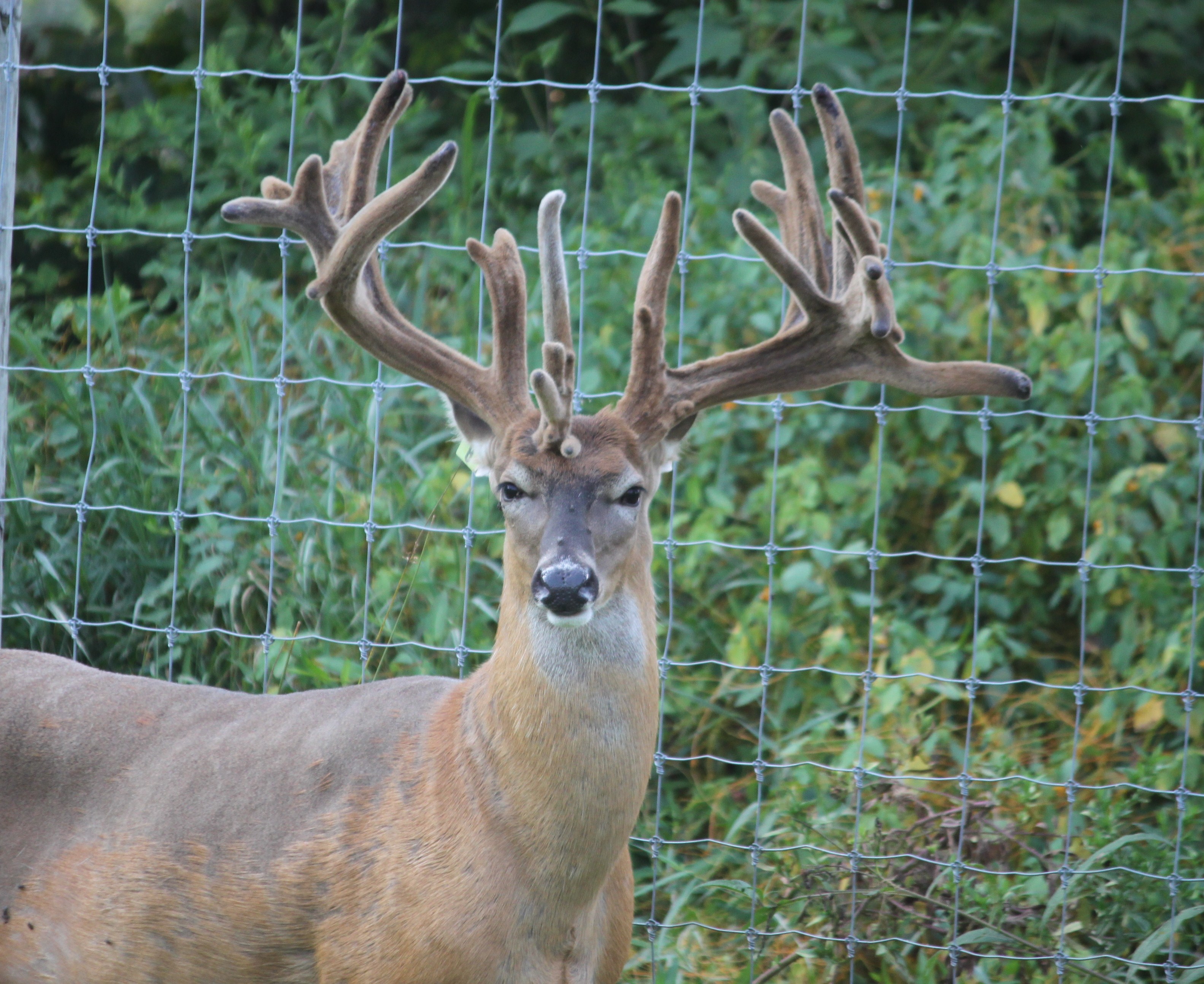 >Reflex
for
sale
>Reflex
for
sale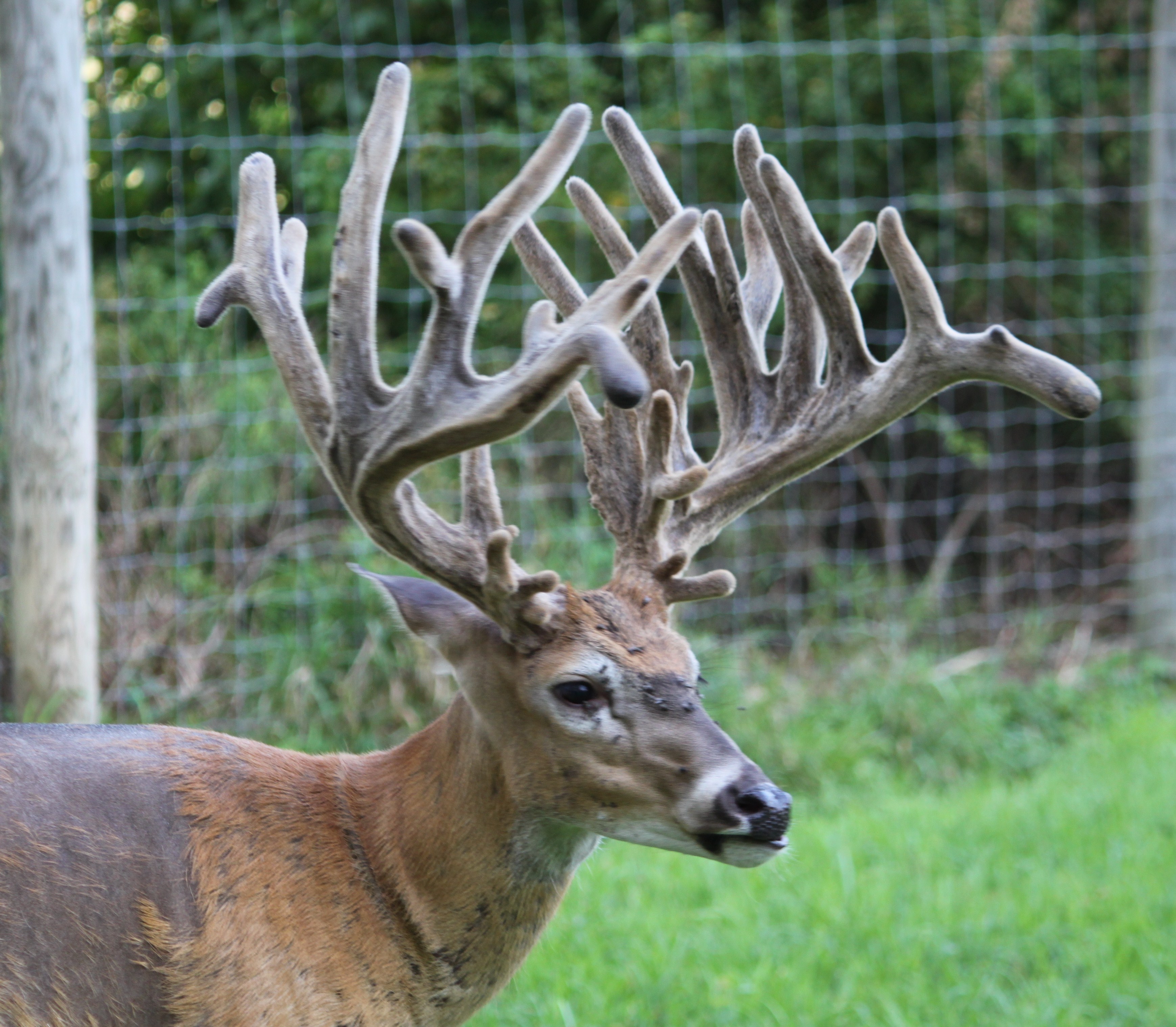 >Revenue
for
sale>
>Revenue
for
sale>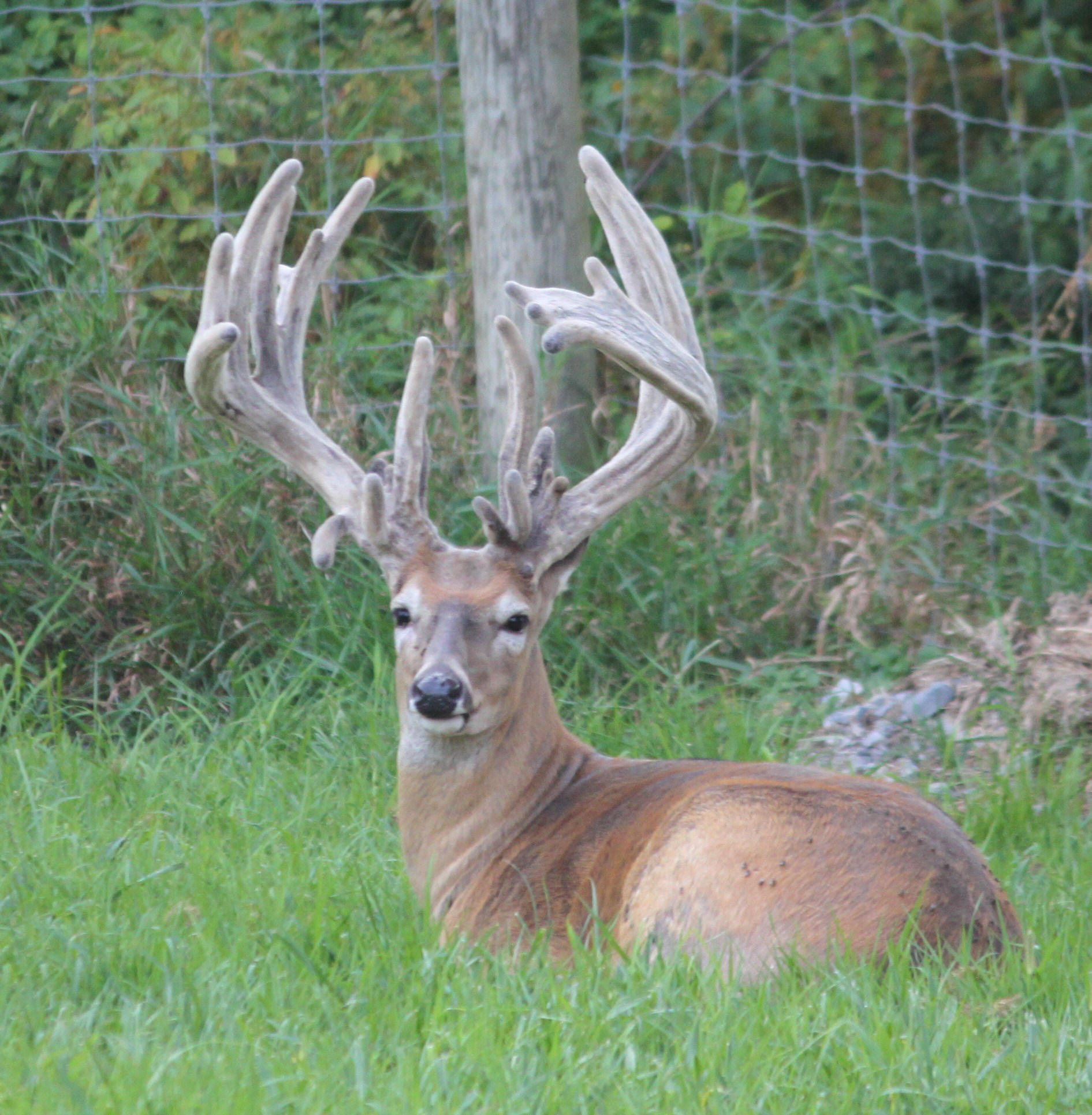
|



 Charlie
"The Sweet"
LeDoux
Monster Genetics, North
America's Superior Monster
Whitetail
Deer
Genetics from Northern
White-tailed Monster
Deer
Genetics bred to
Superior Monster
Southern
Whitetail
Deer
Genetics!
Charlie
"The Sweet"
LeDoux
Monster Genetics, North
America's Superior Monster
Whitetail
Deer
Genetics from Northern
White-tailed Monster
Deer
Genetics bred to
Superior Monster
Southern
Whitetail
Deer
Genetics! 


515-HUNT(4868).jpg)
Breeder Monster Bucks, Shooter Bucks, Open Does and Bred Does for sale, fawns for sale. Louisiana Geronimo, DeWalt, X-Factor and Dream Catcher doe fawns for sale. All fawns can travel and come from accredited herds, buyers may pick-up for bottle feeding or wait till weaned and delivery will be available. Maximus great grand daughters for sale with loaded top and bottom pedigrees. Live delivery to most States available on Buck Fawns and bottle fed doe fawns deliver after weaning. All fawns are priced first come first serve basis and availability. Baker #110 2009 fawns daughter for sale! We have several open does available now and we will cover these does, for sale as bred does!

All fawns are priced first come fist serve basis and availability! Guaranteed Live Always!
Call for more information and to book your fawns (337)515-4868 Charlie LeDoux!
We fallow all Federal, State and Local laws when transporting please check your State first to make sure check your states rules and regulations!
Louisiana Monster Whitetail Shed Found in the Wild 2008 is proof enough Louisiana Wild Deer Herd is second to nun!
South Louisiana Monsters for sale Straws, Breeder Bucks, Shooter Bucks, Open Does, Bred Does and fawns at Louisiana Deer Farm .com Stud Bucks, Breeders or Shooters, Louisiana Bred sons of Mr. Double Doux off pure northern 200+s inch does live bred to Mr. Double Doux. Superb Southern Deer while others lost deer this year from diseases I lost one!
09 Blue Mountain Bismark doe fawns and buck fawns for sale RDM 44 magnum fawns, Dream Catcher doe fawns and Maximus great grand daughters for sale in Louisiana (337)515-4868 Charlie The Doux!
Click her for Fawn Whitetail Children's Birthday Parties, "Louisiana Trophy Whitetail Petting Zoo" come enjoy our Private Wildlife Parties!
 For
information on any of the hunts above please call
Charlie LeDoux (337)515-HUNT(4868) anytime!
For
information on any of the hunts above please call
Charlie LeDoux (337)515-HUNT(4868) anytime!
BUY HD Video sunglasses HERE! > MP3, 4GB Video Camera Sunglasses See It, Hear It, Live It!


515-4868%20Ranch%20Land.JPG)
515-HUNT(4868)!.JPG)




%20515-HUNT(4868).JPG)


.JPG)